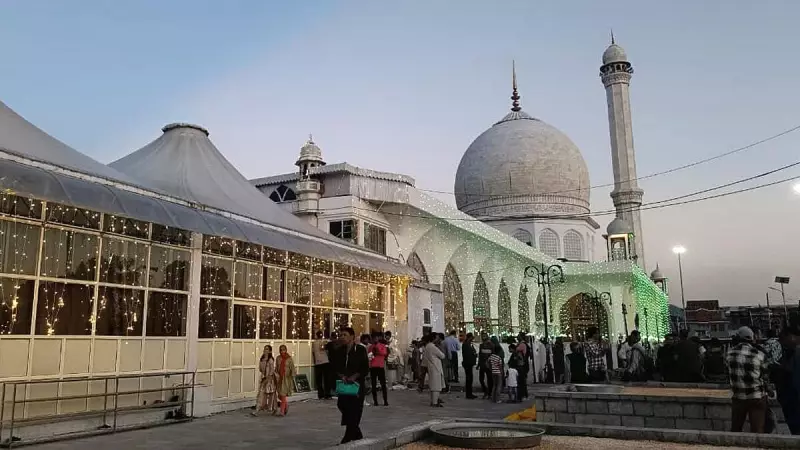
The recent data collection drive for mosques in Jammu and Kashmir has sparked discussions, but officials clarify that this exercise mirrors established norms across the Muslim world. From the Middle East to Southeast Asia, many nations maintain formal frameworks for mosque operations, making Kashmir's initiative part of a broader global pattern.
Global Context of Mosque Regulation
In countries like Saudi Arabia and Turkey, mosques operate under stringent state or legal oversight. Saudi Arabia, home to Islam's holiest sites, has a centralized system where the government manages mosque affairs, including appointments of imams and maintenance. Similarly, Turkey's Directorate of Religious Affairs oversees thousands of mosques, ensuring alignment with national policies.
Southeast Asian Models
In Malaysia and Indonesia, two of the world's largest Muslim-majority nations, mosques are integrated into formal legal structures. Malaysia's Islamic councils regulate mosque activities, while Indonesia's Ministry of Religious Affairs provides guidelines for management and funding. These frameworks aim to promote harmony and prevent misuse of religious spaces.

Kashmir's Data Collection Initiative
Officials in Jammu and Kashmir emphasize that their exercise is limited to data collection, not imposing new regulations. The drive seeks to compile information on mosque locations, capacities, and management structures. This data is intended to aid in better resource allocation and community engagement, following transparency principles seen in other Muslim nations.
Key aspects of the Kashmir initiative include:
- Compiling basic details like mosque names and addresses.
- Recording management committee information.
- Assessing infrastructure needs for maintenance support.
Official Statements and Clarifications
Authorities have stated that this data collection does not alter the autonomous functioning of mosques but aligns with global practices where states maintain records for administrative purposes. They highlight that similar exercises are common in countries with significant Muslim populations, ensuring mosques serve community needs effectively.
This approach reflects a trend where governments in Muslim-majority regions balance religious freedom with organizational oversight, as seen in Saudi Arabia's centralized control or Indonesia's decentralized management.
Broader Implications and Comparisons
Comparing Kashmir's initiative to global norms shows that data collection is often a first step in formalizing mosque operations. In many nations, this leads to standardized practices, such as:
- Regular audits of mosque finances.
- Training programs for religious leaders.
- Infrastructure development projects.
While Kashmir's exercise is currently limited to data gathering, it could pave the way for enhanced community services, similar to how Malaysia uses mosque data for social welfare programs.
Overall, the Kashmir mosque data drive is not an isolated effort but part of a wider phenomenon in the Muslim world, where states engage with religious institutions to foster orderly and beneficial community spaces.