

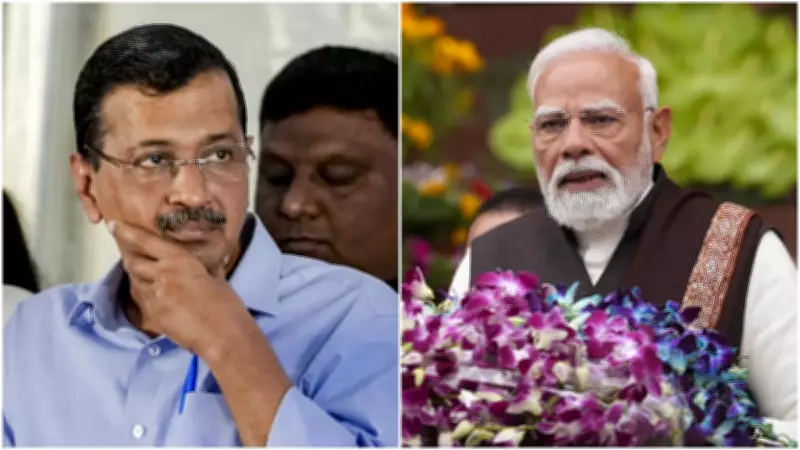
Kejriwal Demands Clarity from PM Modi on Iran's Stance Over Strait of Hormuz
Delhi Chief Minister Arvind Kejriwal has raised pointed questions directed at Prime Minister Narendra Modi concerning India's diplomatic engagements with Iran. The focus of his inquiry revolves around whether the Iranian government has provided any concrete assurances to India regarding the security and stability of the strategically crucial Strait of Hormuz.
Geopolitical Significance of the Strait of Hormuz
The Strait of Hormuz is a narrow maritime chokepoint located between the Persian Gulf and the Gulf of Oman. It serves as a critical global artery for the transportation of oil, with approximately one-fifth of the world's petroleum liquids passing through it annually. Any disruption in this vital waterway could have severe repercussions for global energy markets and economic stability, directly impacting oil-importing nations like India.
Kejriwal's Direct Challenge to the Central Government
In his public remarks, Arvind Kejriwal explicitly questioned whether Prime Minister Modi's administration has secured any formal guarantees or commitments from Iranian authorities about maintaining safe passage through the Strait of Hormuz. This query comes against the backdrop of escalating regional tensions in the Middle East, which have periodically threatened the security of this essential maritime route.

The Delhi Chief Minister emphasized the importance of transparency in foreign policy matters, particularly those with significant implications for India's energy security and economic interests. He argued that the Indian public deserves to be informed about the diplomatic measures being undertaken to safeguard the nation's access to affordable and reliable energy supplies.
Broader Context of India-Iran Relations
India and Iran share a longstanding relationship characterized by historical, cultural, and economic ties. Iran remains a key partner for India in the region, especially concerning energy cooperation and connectivity projects like the Chabahar Port. However, the relationship has navigated complexities due to international sanctions on Iran and shifting geopolitical alignments.
Kejriwal's intervention highlights the domestic political dimension of foreign policy debates, where opposition leaders are increasingly scrutinizing the government's handling of international affairs. This incident underscores how critical infrastructure like the Strait of Hormuz can become a focal point for political discourse, bridging domestic governance with global strategic concerns.
Potential Implications for Indian Energy Security
India, as one of the world's largest importers of crude oil, is particularly vulnerable to disruptions in the Strait of Hormuz. A significant portion of India's oil imports traverse this route, making its security a matter of national priority. Any instability could lead to:
- Spikes in global oil prices, increasing India's import bill
- Potential supply shortages affecting various sectors of the economy
- Increased geopolitical risks requiring diplomatic and strategic adjustments
The government's response to Kejriwal's questions, or lack thereof, could influence public perception of its foreign policy efficacy and commitment to safeguarding national interests. This episode adds to the ongoing dialogue about how India navigates its relationships in a volatile region while ensuring energy and economic security for its citizens.






