

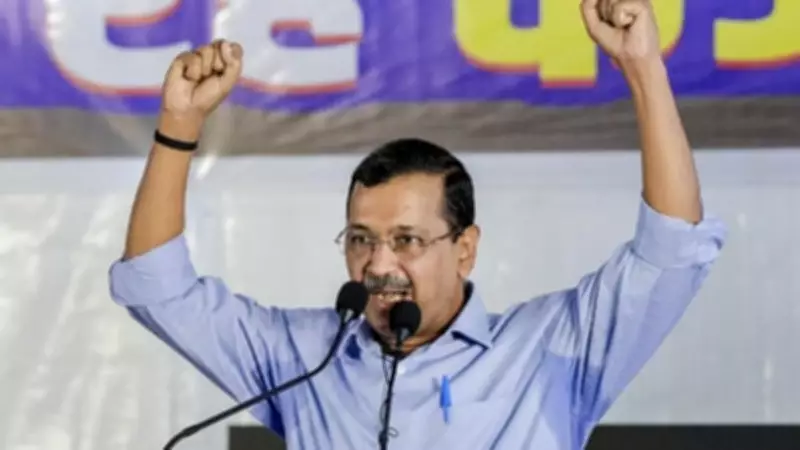
Kejriwal Seeks Judge's Recusal, Alleges Bias in High Court Case
Delhi Chief Minister and Aam Aadmi Party (AAP) leader Arvind Kejriwal has formally requested the recusal of Justice Sharma from his ongoing case in the High Court. Kejriwal concluded his arguments on the recusal application, making serious allegations against the judge.
Allegations of Bias and Conflict of Interest
In a dramatic courtroom development, Kejriwal asserted that Justice Sharma has a significant conflict of interest in the case. He claimed that the judge had previously "almost declared him corrupt" in related proceedings, which he argues compromises her impartiality. Kejriwal emphasized that this perceived bias means he "won't get justice" if she continues to preside over the matter.
Context of the Legal Battle
The case centers on the controversial liquor duty hike and excise policy implemented in Delhi. Kejriwal, who faces scrutiny over these policies, has been vigorously defending his position in court. The recusal application represents a strategic move to challenge the judicial process, highlighting tensions between the AAP government and the judiciary.

Kejriwal's arguments were presented with detailed legal reasoning, focusing on procedural fairness and the right to an unbiased trial. He referenced past interactions and rulings by Justice Sharma to substantiate his claims of prejudice.
Broader Political Implications
This legal maneuver occurs amid heightened political activity, with Kejriwal and AAP navigating multiple legal and electoral challenges. The case has drawn national attention, reflecting broader debates about governance, accountability, and the intersection of politics and law in India.
The High Court's decision on the recusal application is awaited, with potential ramifications for the excise policy case and future judicial proceedings involving high-profile political figures. Observers note that the outcome could influence public perception of judicial independence and political justice in the country.






