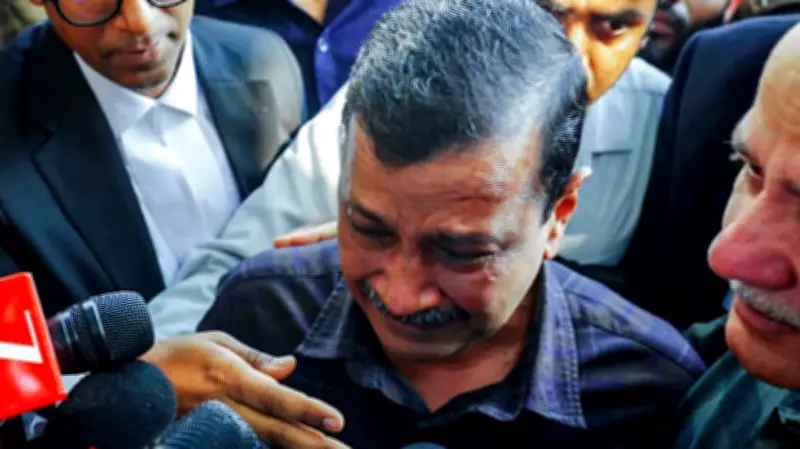
Court Discharges Kejriwal, Sisodia, and Kavitha in Liquor Policy Case Citing Lack of Evidence
In a significant legal development, a court has discharged Delhi Chief Minister Arvind Kejriwal, former Deputy Chief Minister Manish Sisodia, and Bharat Rashtra Samithi (BRS) leader K. Kavitha in the high-profile liquor policy case. The court's decision, delivered on February 27, 2026, was based on a thorough review of the evidence presented by the investigating agencies.
Court Finds No Prima Facie Case Against Accused
The court explicitly stated that the material placed on record by the probe agency failed to disclose even a prima facie case against any of the accused individuals. In legal terms, this means the evidence was insufficient to establish a basic level of suspicion warranting further proceedings, much less any grave suspicion that could lead to a trial.
This ruling highlights a critical lack of substantive proof in the allegations, which had been a focal point of political and legal scrutiny. The court's assessment underscores the importance of robust evidence in criminal cases, particularly those involving prominent public figures.

Background of the Liquor Policy Case
The liquor policy case has been a contentious issue, with allegations centered around irregularities in the formulation and implementation of Delhi's excise policy. Kejriwal and Sisodia, both key leaders of the Aam Aadmi Party (AAP), along with Kavitha from the BRS, were implicated in the probe, facing accusations of corruption and misconduct.
However, the court's discharge order now casts doubt on the strength of these allegations, raising questions about the investigative process and the basis for the charges. Legal experts suggest that this outcome could have broader implications for similar cases involving political figures.
Reactions and Implications
Following the court's decision, there has been a mix of relief and political commentary. Supporters of the discharged individuals have hailed the ruling as a vindication of their innocence, while critics may scrutinize the probe agency's methods. The case has drawn widespread media attention, reflecting its significance in India's political and legal landscape.
Key points from the court's observation include:
- The probe agency's evidence was deemed insufficient to establish a prima facie case.
- No grave suspicion was found against Kejriwal, Sisodia, or Kavitha.
- The discharge underscores the need for concrete proof in legal proceedings.
This development is likely to influence ongoing political narratives and legal strategies, as it removes a major legal hurdle for the accused. It also serves as a reminder of the judiciary's role in ensuring that charges are backed by substantial evidence before proceeding to trial.