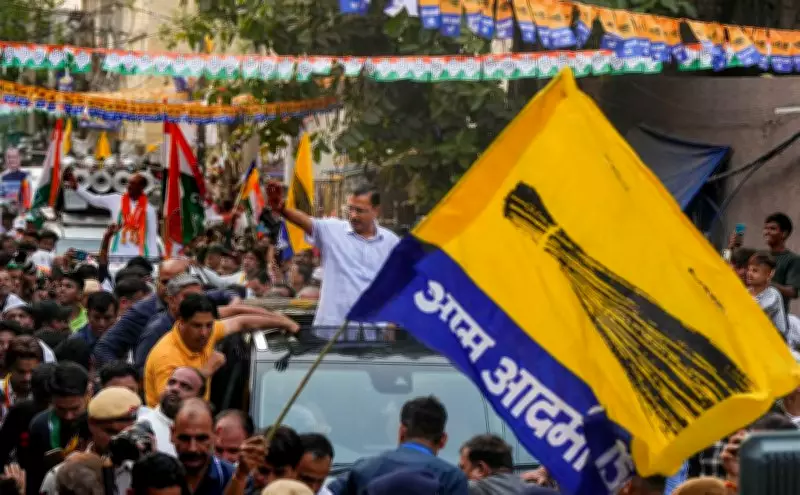
Court Ruling in Favor of Kejriwal Sparks Debate on ED's Arrest Authority
A recent court verdict that sided with Delhi Chief Minister Arvind Kejriwal has brought the arrest powers of the Enforcement Directorate (ED) under intense scrutiny. This decision has ignited widespread discussions on the legal frameworks governing such actions and their potential misuse in politically charged environments.
Details of the Verdict and Its Implications
The ruling, delivered by a judicial authority, found in favor of Kejriwal, challenging the ED's approach in this specific case. Legal experts are now analyzing the judgment to understand its broader implications for how the ED exercises its authority, particularly in cases involving high-profile political figures.
This verdict is seen as a significant moment that could influence future interactions between law enforcement agencies and political leaders. It raises critical questions about the balance between investigative powers and individual rights, especially in the context of India's dynamic political landscape.

Broader Context of ED's Role and Criticisms
The Enforcement Directorate, tasked with enforcing economic laws and regulations, has often been at the center of controversies regarding its arrest procedures. Critics argue that its powers are sometimes applied selectively, leading to accusations of political bias.
- Increased scrutiny from legal circles and civil society groups.
- Debates on the need for reforms in arrest protocols.
- Potential impact on ongoing and future investigations by the ED.
This case adds to a growing list of instances where the ED's actions have been questioned, prompting calls for more transparency and accountability in its operations.
Political Reactions and Future Outlook
Following the verdict, political reactions have been mixed, with supporters of Kejriwal hailing it as a victory for justice, while others express concerns about its implications for law enforcement efficiency. The ruling is expected to fuel further debates in Parliament and among policymakers.
As the situation unfolds, observers are closely watching for any legislative or procedural changes that might emerge from this scrutiny. The outcome could set precedents for how similar cases are handled in the future, affecting both political and legal spheres in India.