The Kerala Congress has ignited yet another political firestorm with its social media commentary, this time targeting IIT Madras director V Kamakoti's recent Padma Shri award. The party's official handle posted sarcastic remarks on Republic Day, questioning the scientific merit of research involving traditional cow-based preparations at the prestigious institution.
Social Media Sparks Scientific Debate
"Congratulations to V Kamakoti on receiving the honour. The nation recognises your bleeding edge research on Cow Urine at IIT Madras, taking Gomutra to world stage," read the controversial post on X. The message immediately drew sharp reactions from the scientific and tech communities, with Zoho founder and scientist Sridhar Vembu emerging as a prominent defender of Professor Kamakoti's credentials.
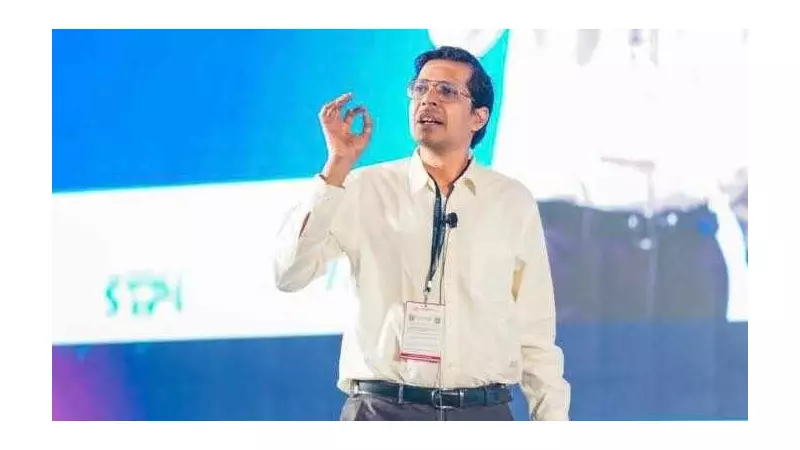
Vembu responded with a detailed defense, highlighting Kamakoti's significant contributions to deep technology and micro-processor design. "Professor Kamakoti works in deep tech: micro-processor design. He is the Director of IIT-Madras, the best technological institution in India. He serves in the NSAB. He richly deserves the honour," Vembu asserted in his social media post.

Defending Traditional Research Approaches
The Zoho founder went further to defend the scientific investigation of traditional practices, stating: "I have defended him on scientific grounds and I will do so again: cow dung and cow urine have excellent microbiomes that could be valuable for humans. It is the slavish colonial mindset that thinks these are not scientific propositions worthy of investigation."
Vembu criticized what he termed a "colonial mindset" that dismisses indigenous research approaches, suggesting that similar studies from Western institutions like Harvard or MIT would receive unquestioned acceptance.
Kerala Congress Doubles Down
Rather than backing down, the Kerala Congress intensified its criticism with a follow-up post questioning the practical outcomes of such research. "Research is not about quoting random Western research papers out of context. What is the outcome of all this research on cow dung and urine?" the party questioned.
The political party expanded its critique to question why research focus remains limited to cow-based products, asking: "And why are we limited only to cow dung? What about the excreta of buffaloes, goats, or even humans?"
Referencing Controversial Madhya Pradesh Project
The Kerala Congress cited a recent controversy from Madhya Pradesh to bolster its argument. The party referenced a government-funded research project at Nanaji Deshmukh Veterinary Science University in Jabalpur that aimed to develop cancer treatment using Panchagavya, a traditional mixture made from cow dung, cow urine, milk, curd, and ghee.
"An investigation by Additional Collector Raghuvar Maravi exposed that a whopping ₹1.92 Cr was spent on buying cow dung and urine for the research, whereas the actual cost is around ₹15–20 lakhs," the party claimed. According to their post, the total project allocation of ₹3.5 crore saw questionable expenditures including car purchases, fuel costs, and trips to Goa and Bangalore, with the research outcome described as "NULL Exception!"
Pattern of Controversial Posts
This incident marks another chapter in the Kerala Congress social media team's history of provocative posts. During the recent Bihar assembly elections, the handle courted controversy with a post reading: "Bidis and Bihar start with B. Cannot be considered a sin anymore." The accompanying graphic compared GST rates on tobacco products, showing reduced taxes on bidis alongside increased taxes on cigarettes.
While intended as criticism of central GST policies, the post drew condemnation from political allies including RJD leader Tejashwi Yadav, who demanded an apology for what he termed offensive language.
Previous Controversial Remarks
In 2024, the same social media handle stirred political controversy with a post about Prime Minister Narendra Modi's meeting with Pope Francis. Sharing a photo of the meeting, the handle commented: "Finally the Pope got a chance to meet God." The post generated significant backlash before being deleted, with the party subsequently issuing an apology.

The recurring pattern of controversial social media engagement from the Kerala Congress highlights the increasing role of digital platforms in political discourse and the challenges of maintaining diplomatic communication in the age of instant social media reactions.
The current debate surrounding Professor Kamakoti's Padma Shri award reflects broader tensions between traditional scientific approaches and indigenous research methodologies, with political parties increasingly engaging in discussions about research priorities and funding allocations in India's scientific ecosystem.