Kerala Assembly Election 2026: A Decisive Day for 2.71 Crore Voters
Kerala is poised for a pivotal assembly election on Thursday, with a massive electorate of 2.71 crore voters set to cast their ballots in a high-stakes contest that will determine the political future of the state. The ruling Left Democratic Front (LDF) is vying for an unprecedented third consecutive term, while the opposition United Democratic Front (UDF) seeks a dramatic comeback, and the Bharatiya Janata Party (BJP)-led National Democratic Alliance (NDA) aims to make its maiden entry into the state's legislative assembly.
Polling Details and Voter Demographics
After an intense month-long campaign, polling is being conducted in a single phase across all 140 constituencies, with voting hours from 7 am to 6 pm. A total of 883 candidates are contesting in this electoral battle. According to the Election Commission, the voter breakdown includes 1.32 crore men, 1.39 crore women, 273 transgender persons, and over 2.42 lakh overseas voters, highlighting the extensive scale and inclusivity of this democratic exercise.
Political Landscape and Key Contests
Despite the triangular nature of the contest, Kerala's political arena has historically been bipolar, with power alternating between the LDF and UDF. This election will test whether that traditional pattern persists or if the state witnesses a significant shift. The outcome hinges on factors such as anti-incumbency sentiment, local issues, and voter consolidation.

Campaign Highlights and Controversies
The campaign period was marked by fervent rhetoric and allegations. In Palakkad, Congress accused BJP candidate Sobha Surendran of distributing cash to voters, a claim she vehemently denied, labeling it as fabricated and orchestrated by local Congress leaders and a journalist. Visuals aired on TV channels showed a woman offering something to an elderly voter, though the voter later denied receiving any money.
Political leaders made bold predictions and appeals. Karnataka Deputy Chief Minister DK Shivakumar forecasted a two-thirds majority for the UDF, alleging an "internal understanding" between the LDF and BJP. BJP President Nitin Nabin urged voters to choose "progress over stagnation," emphasizing transformative initiatives like world-class healthcare and high-speed rail connectivity. Congress leaders, including Ramesh Chennithala, criticized the LDF's governance and farmer policies, citing widespread anti-incumbency.
International Observation and Electoral Integrity
To ensure transparency, a foreign delegation arrived in Kerala as part of the Election Commission's International Election Visitors’ Programme. The group visited polling stations to observe electoral procedures, underscoring the global attention on this democratic process. The delegation includes 43 delegates from 23 countries, reflecting international interest in India's electoral practices.
Voter Turnout and Preparations
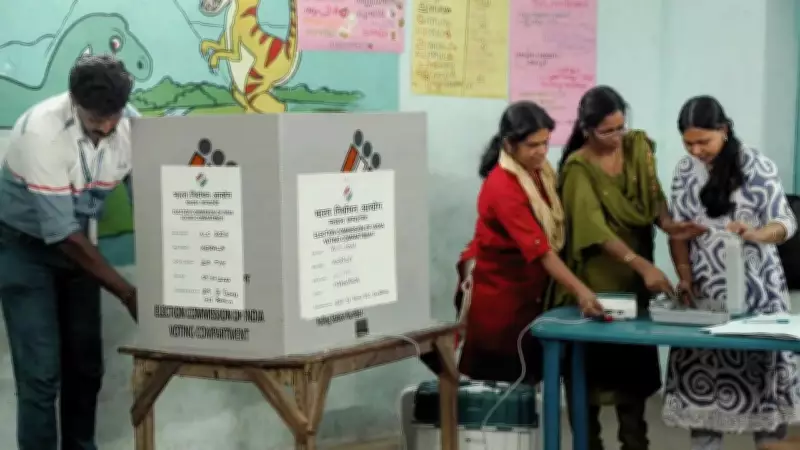
Polling preparations were in full swing, with authorities at locations like the Government Higher Secondary School in Chala, Kannur, making final arrangements as voters began gathering early in the morning. The election commission has implemented measures to facilitate smooth voting, though challenges such as international travel constraints for overseas voters were noted, with Congress alleging that no special flight arrangements were made due to survey predictions favoring the UDF.
Conclusion: A Historic Verdict Awaits
As Kerala heads to the polls, the results will not only decide the immediate political leadership but also indicate broader trends in the state's electoral behavior. Whether the LDF achieves a historic hat-trick, the UDF stages a resurgence, or the NDA breaks new ground, this election is set to be a landmark event in Kerala's political history, with implications for regional and national politics.