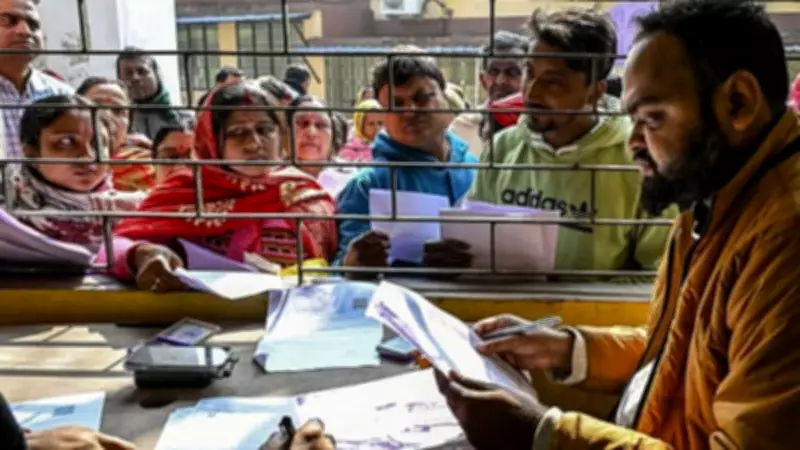
Kerala's Electoral Landscape Altered as Voter Count Drops Significantly
In a development that has captured the attention of political observers and citizens alike, the electoral rolls in Kerala have undergone a substantial transformation. Following the completion of the Systematic Inclusion and Removal (SIR) process, the state has witnessed a notable reduction in its voter base. The total number of registered voters in Kerala has decreased by over 9 lakh individuals, marking a significant shift in the demographic landscape ahead of upcoming electoral events.
Detailed Analysis of Voter Roll Changes
The data reveals a clear picture of this decline. Prior to the implementation of the SIR, Kerala boasted a robust voter count of 2,78,50,855 individuals. This figure represented the cumulative number of eligible voters registered across the state. However, the draft electoral roll that was published on December 23 of the previous year tells a different story. According to this updated document, the total number of voters has now been adjusted downward to 2,54,42,352.
This adjustment translates to a reduction of approximately 9,08,503 voters. The SIR process, which is designed to systematically include new eligible voters and remove those who are no longer qualified—such as due to relocation, duplication, or other administrative reasons—has evidently led to this substantial decrease. The process aims to ensure the accuracy and integrity of the electoral rolls, but the magnitude of the change has raised eyebrows among stakeholders.

Discrepancy with State Election Commission Projections
Further compounding the significance of this development is the emergence of a notable gap when compared to projections from the State Election Commission (SEC). The SEC had previously estimated that the voter rolls for 2025 would reflect a different trajectory. The current post-SIR count of 2,54,42,352 voters reveals a discrepancy of approximately 17 lakh when measured against the SEC's earlier projections for the 2025 electoral rolls.
This 17 lakh gap highlights potential variances in data collection, estimation methodologies, or administrative processes between the SIR implementation and the SEC's forecasting. It underscores the complexities involved in maintaining accurate voter databases in a dynamic demographic environment like Kerala.
Implications for Kerala's Political Future
The reduction in voter numbers and the associated gap with SEC data carry several implications:
- Electoral Strategy: Political parties in Kerala may need to recalibrate their campaign strategies and outreach efforts in light of the revised voter base.
- Administrative Oversight: The discrepancy raises questions about the coordination and accuracy of voter registration processes between different governmental bodies.
- Public Awareness: Citizens are encouraged to verify their voter status and participate in future enrollment drives to ensure their inclusion in the electoral process.
As Kerala prepares for potential assembly elections and other democratic exercises, these changes in the voter list will likely influence political dynamics and voter engagement across the state. The data, as reported by Arjun Raghunath and published on February 20, 2026, serves as a critical benchmark for understanding the evolving electoral framework in Kerala.