

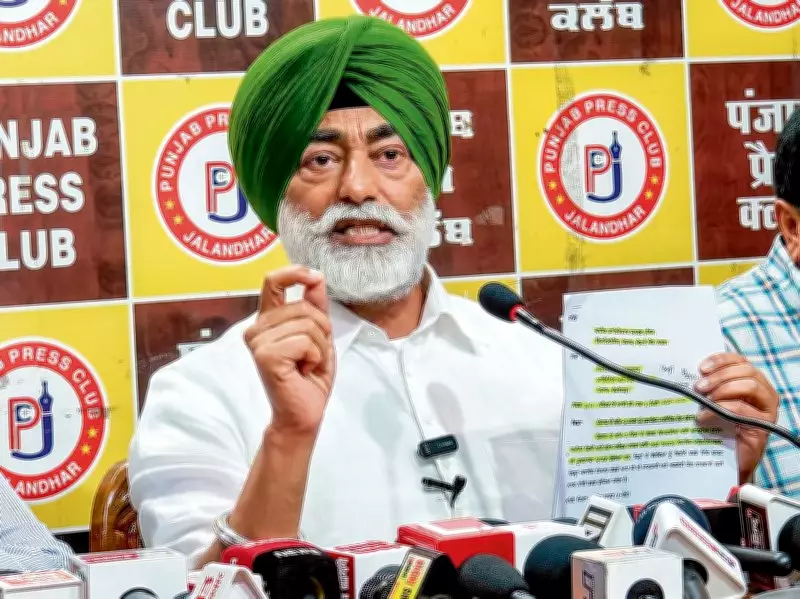
Outrage Erupts Over Politician's Derogatory Remarks Against Women
A recent incident involving a political leader has ignited a firestorm of controversy, with his remarks belittling women being widely condemned as crossing all acceptable lines of public discourse. The comments, described by many as shameful rhetoric, have drawn sharp criticism from across the political spectrum and civil society, highlighting ongoing concerns about gender-based disrespect in political arenas.
A Breach of Decency in Public Life
The remarks, made by the leader in a public setting, were characterized by observers as not only offensive but also deeply demeaning to women. Critics argue that such language undermines the dignity of women and perpetuates harmful stereotypes, setting a dangerous precedent for political dialogue. The incident has raised questions about the standards of conduct expected from public figures and the impact of their words on societal attitudes towards gender equality.
This episode underscores a troubling trend where political rhetoric sometimes devolves into personal attacks that target marginalized groups, with women often bearing the brunt of such vitriol. The backlash has been swift and vocal, with many calling for accountability and a public apology to address the harm caused.

Widespread Condemnation and Calls for Action
In response to the remarks, various organizations and individuals have issued statements condemning the language used. Women's rights groups have been particularly vocal, emphasizing that such comments are not isolated incidents but part of a broader pattern of misogyny that needs to be challenged. The public outcry reflects a growing intolerance for sexist rhetoric in politics, with demands for more respectful and inclusive discourse gaining momentum.
Key points from the criticism include:
- The remarks were seen as an affront to the progress made in promoting gender equality.
- They risk normalizing derogatory language against women in public spheres.
- There is a call for political parties to enforce stricter codes of conduct to prevent similar incidents.
This controversy has also sparked discussions on social media, where users have expressed their disappointment and anger, further amplifying the call for change. The incident serves as a reminder of the power of words and the responsibility that comes with public office.
Implications for Political Discourse and Gender Relations
The fallout from this event extends beyond immediate outrage, touching on deeper issues of how women are perceived and treated in society. It highlights the need for ongoing efforts to combat sexism and promote a culture of respect. As debates continue, the focus remains on ensuring that such rhetoric does not go unchecked, with hopes that this incident will lead to positive reforms in political communication.
In conclusion, the shameful rhetoric belittling women has not only crossed a line but has also galvanized a movement towards more dignified and equitable public discourse. The response underscores a collective commitment to upholding the rights and respect of all individuals, regardless of gender.






