

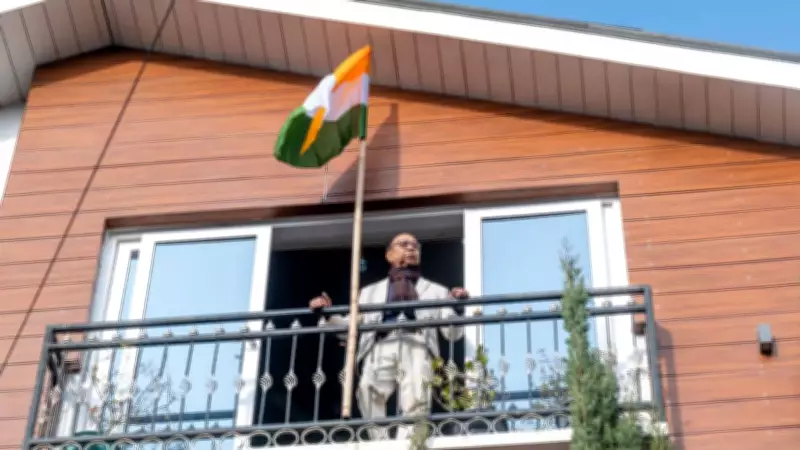
New Leadership in Manipur Confronts Persistent Ethnic Tensions
On February 3, 2026, the Bharatiya Janata Party's central leadership made a significant decision by selecting Yumnam Khemchand Singh as the leader of its legislature party in Manipur. This move positions him as the probable next chief minister of the northeastern state, coming just days before the conclusion of nearly a year-long period of President's Rule. The BJP's choice reflects a strategic approach to governance in a region marked by complex social and political challenges.
A Coalition of Experienced Supporters
Khemchand's elevation is bolstered by the backing of three seasoned political figures, each representing different community interests within Manipur. Deputy Chief Minister Nemcha Kipgen, a respected Thadou leader with previous ministerial experience, provides crucial support. Losii Dikho, a three-term legislator from the Mao Assembly Constituency representing the Naga People's Front, adds another dimension to this coalition. Completing this trio is Govindas Konthoujam, who has secured a remarkable seventh consecutive term from the Bishnupur constituency under the BJP banner.
Political analysts interpret this selection of diverse representatives as a clear signal from the central government about its commitment to broadening community representation in Manipur's upcoming administration. Beyond his legislative responsibilities, Khemchand has cultivated an image as a consensus-builder between communities—a rare quality in Manipur's typically tense political environment.

The Lingering Humanitarian Crisis
Manipur has endured years of ongoing crisis that has severely impacted daily life, eroded public trust, and compromised fundamental safety. The state has witnessed violent clashes between communities, widespread displacement, and destruction of homes and places of worship. Countless families continue to live without stable shelter, consistent education, or reliable healthcare access.
The situation is further aggravated by pervasive fear, rampant rumors, and competing narratives circulating online. These digital tensions have repeatedly sparked violent incidents even during periods when local conditions appeared to be stabilizing. In this volatile atmosphere, members of supposedly "warring communities" often avoid travel, face frequent shutdowns, and experience significant disruptions in public services.
Root Causes of Continuing Conflict
Several interconnected factors perpetuate Manipur's conflict:
- Identity Politics and Representation: Deep-seated suspicion has emerged from identity-based politics and misinterpretations of political representation across communities.
- Security Challenges: The presence of armed political groups and the proliferation of weapons create constant risks of sudden violent outbreaks.
- Governance Gaps: Deficiencies in maintaining law and order, coupled with delays in legal proceedings and justice delivery, foster perceptions that marginalized groups remain outside the state's developmental priorities.
- Humanitarian Obstacles: Relief operations face tremendous difficulties due to blocked roads, overcrowded displacement camps, and access limitations dictated by local security conditions. Many internally displaced persons encounter significant pressures when attempting to return to their original homes.
Pathways Toward Sustainable Peace
A comprehensive approach requires both immediate interventions and long-term strategies. In the short term, the state must prioritize civilian protection, maintain open transportation routes for medical supplies and essential goods, and ensure unbiased distribution of relief materials to all affected groups. Transparent public communication becomes crucial to counter misinformation and prevent panic-driven reactions.

The administration should conduct prompt and impartial investigations into major incidents, followed by visible legal actions that reinforce public confidence in the rule of law. Over the longer horizon, peacebuilding efforts must incorporate structured dialogues involving community leaders, women's organizations, youth representatives, and civil society actors—moving beyond exclusive engagement with political elites who have contributed to the deterioration over the past two years.
These discussions need to address concrete issues including land use policies, local governance structures, and security arrangements, supported by written commitments and established review timelines. Rehabilitation initiatives should extend beyond temporary assistance to encompass housing reconstruction, livelihood support programs, educational recovery plans, and accessible mental health services.
Strengthening local institutions represents another critical component, enabling future disputes to be resolved through dialogue and legal procedures rather than intimidation or violence. A stable Manipur ultimately depends on consistent public safety measures, equitable justice systems, and sincere efforts to repair inter-community relationships across the state.
Historical Context and Current Challenges
Since May 3, 2023, Manipur has experienced prolonged and deadly ethnic violence, primarily involving clashes between Meitei and Kuki-Zo communities. This period has resulted in extensive displacement, numerous fatalities, and substantial property damage across the state. Khemchand's appointment reflects the BJP central leadership's attempt to reduce tensions and restore normalcy by installing a leader perceived as acceptable to multiple community groups.
Some critics contend that peacebuilding initiatives primarily driven by directives from New Delhi risk marginalizing grassroots perspectives and limiting local political agency—a concern particularly relevant given Manipur's ongoing humanitarian and security crises. Historically, decisions regarding leadership in northeastern states, including during Congress administrations, have frequently been influenced and sometimes determined by national party leadership rather than emerging solely from local consensus or state-level political dynamics.
The region's complex ethnic composition, unstable political coalitions, and unpredictable electoral outcomes have often prompted national parties to exercise more direct control over leadership selections. Following his anticipated oath-taking, Yumnam Khemchand Singh confronts two urgent priorities: addressing the protracted ethnic conflict and restoring public confidence in democratic institutions after extended President's Rule.
Observers will closely monitor his policy decisions, engagement with civil society, and implementation of inclusive governance practices—scrutiny that will come from both local communities and national commentators. While central party influence can provide political backing and broad strategic direction, Manipur's future trajectory will depend more substantially on holding state leadership accountable, rebuilding grassroots trust, sustaining practical peacebuilding measures, and maintaining open, honest dialogue among the state's diverse communities.
This represents an exceptionally challenging undertaking in a state where social and political divisions remain profoundly entrenched, requiring nuanced leadership and sustained commitment to reconciliation and equitable development for all residents.





