NGT Report Exposes Systemic Failures in Kullu's Waste Management
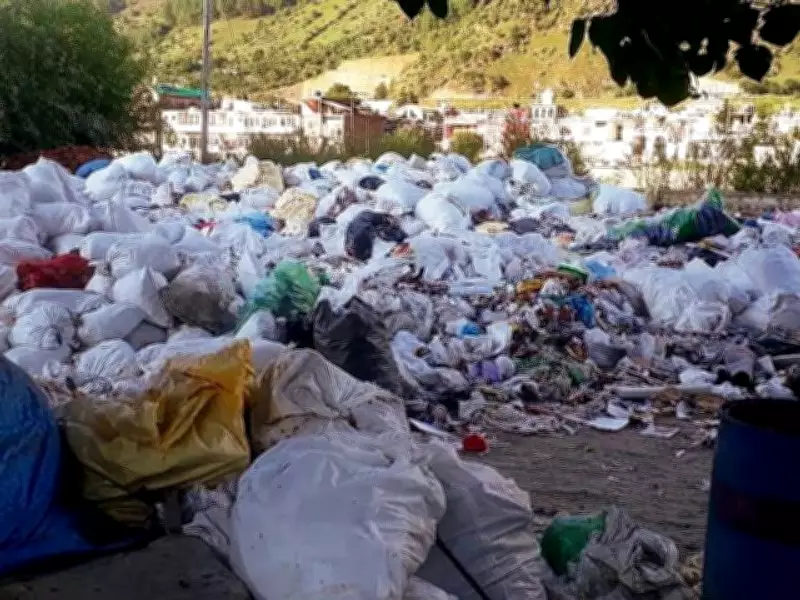
A committee constituted by the National Green Tribunal (NGT) has uncovered glaring lapses in solid waste management in Kullu, a popular Himalayan tourist destination. The panel found indiscriminate dumping of waste, untreated legacy garbage, poor segregation at source, and leachate contaminating nearby water bodies, in violation of the Solid Waste Management Rules, 2016. These practices threaten the Beas river ecosystem, pollute groundwater, attract disease vectors, and increase methane emissions.
Environmental and Public Health Risks in Fragile Hill Regions
In geologically sensitive Himalayan areas, environmental degradation quickly translates into public health risks. The Kullu garbage crisis demonstrates how poor waste management undermines both environmental protection and public health. The NGT had repeatedly pulled up Himachal Pradesh over waste management, and last year sought stricter compliance and time-bound action. The recurrence of such violations suggests that official assurances have not translated into meaningful improvements.
Wider Challenge Across Hill Destinations
Kullu's predicament reflects a wider challenge confronting popular hill destinations such as Shimla, Manali, Mussoorie, and Nainital, where seasonal tourist inflows routinely overwhelm local waste-handling capacities. The solution demands more than periodic clean-up drives. Urban local bodies need scientific waste-processing facilities, decentralised composting, material recovery centres, and engineered landfills for residual waste. Segregation at source must become non-negotiable, while the 'polluter pays' principle and extended producer responsibility should be enforced rigorously. Hotels, restaurants, and tourism operators must also minimise single-use plastics and manage waste responsibly.

Behavioural Change and Shared Responsibility
Equally important is behavioural change. Waste segregation cannot succeed without sustained public participation, awareness campaigns, and strict enforcement. Tourists must also recognise that preserving the Himalayan environment is a shared responsibility, not merely the government's obligation. The NGT's intervention must spur durable reforms to ensure sustainable tourism and protect ecologically fragile regions.