

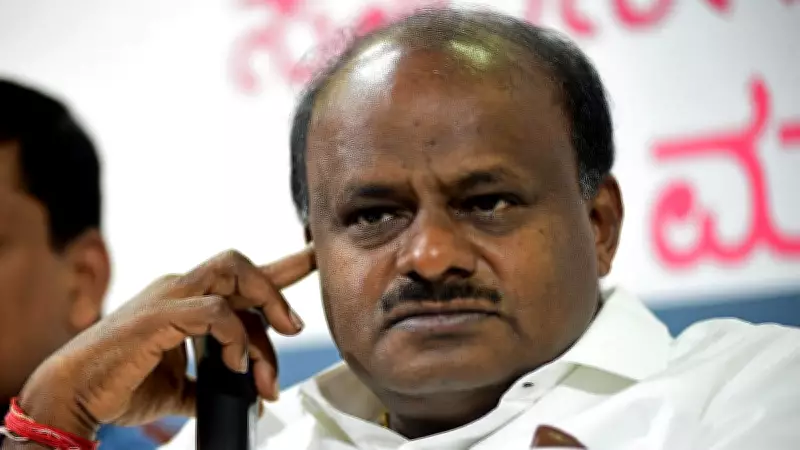
Kumaraswamy Accuses DMK of Betraying Southern States Over Women's Reservation Bill
In a sharp political attack, Janata Dal (Secular) leader H.D. Kumaraswamy has accused the Dravida Munnetra Kazhagam (DMK) of betraying the interests of southern states by supporting the Women's Reservation Bill. The former Karnataka chief minister alleged that the DMK's stance neglects regional concerns and fails to address critical demands for equitable representation in Parliament.
Allegations of Neglecting Regional Interests
Kumaraswamy claimed that the Women's Reservation Bill, which aims to reserve one-third of seats in the Lok Sabha and state legislative assemblies for women, overlooks the specific needs and contributions of southern states. He argued that these states have historically shown better performance in women's empowerment and development indicators, yet the bill does not adequately recognize or reward their efforts.
The JD(S) leader emphasized that the DMK, as a prominent regional party from Tamil Nadu, should have championed the cause of southern states instead of aligning with national parties on this issue. He suggested that the DMK's support for the bill reflects a compromise on regional autonomy and a failure to push for amendments that would ensure fairer distribution of reserved seats based on regional demographics and progress.

Context of the Women's Reservation Bill
The Women's Reservation Bill has been a long-pending legislative proposal aimed at increasing female representation in Indian politics. Proponents argue that it is essential for gender equality and inclusive governance, while critics, including Kumaraswamy, raise concerns about its implementation and impact on regional balance.
Kumaraswamy pointed out that southern states like Karnataka, Tamil Nadu, Kerala, and Andhra Pradesh have often led in social indicators such as literacy rates and women's participation in the workforce. He contended that any reservation policy should account for these disparities to avoid penalizing states that have already made significant strides in women's empowerment.
Political Ramifications and Reactions
This accusation comes amid ongoing political tensions between regional and national parties over various issues, including federalism and state rights. Kumaraswamy's comments are likely to stir debate within southern political circles and could influence future alliances and electoral strategies.
Key points from Kumaraswamy's allegations include:
- The DMK has compromised on the interests of southern states by supporting the bill without securing concessions.
- The Women's Reservation Bill fails to address regional imbalances in representation.
- Southern states deserve recognition and tailored policies based on their historical progress in women's issues.
As of now, the DMK has not issued an official response to these allegations. However, political analysts suggest that this could escalate into a broader conflict between regional parties in the south and national parties over the bill's provisions.
Broader Implications for Indian Politics
The controversy highlights the ongoing struggle between centralization and regional autonomy in Indian politics. Kumaraswamy's stance underscores the demand for more nuanced policies that consider regional variations, rather than one-size-fits-all approaches.
In summary, H.D. Kumaraswamy's accusations against the DMK over the Women's Reservation Bill reflect deeper issues of regional representation and political loyalty. The outcome of this dispute could shape future legislative debates and the dynamics of coalition politics in India, particularly in the southern states.






