Ladakh's Unrest: Constitutional Safeguards Must Be Central Government's Priority
The peaceful protest rallies held in Leh and Kargil on Monday serve as a critical wake-up call for the Union government. Despite gestures like the release of activist Sonam Wangchuk after nearly six months in jail, Ladakh's core demands for statehood and inclusion in the Sixth Schedule remain unaddressed. The Centre's decision to revoke his detention under the National Security Act signals a willingness to ease tensions, but this is merely the first step in what could be a prolonged journey toward reconciliation and meaningful democratic engagement.
Key Demands and Political Context
Ladakhis are not opposing the Indian State; instead, they are advocating for constitutional safeguards to protect their unique cultural, environmental, and demographic identity. This movement has gained momentum since Ladakh was designated a Union Territory in 2019, with protests intensifying over time. The recent rallies were notably peaceful, contrasting with the violent demonstrations that erupted in September last year, underscoring the community's commitment to non-violent advocacy.
Wangchuk's Release and Its Implications
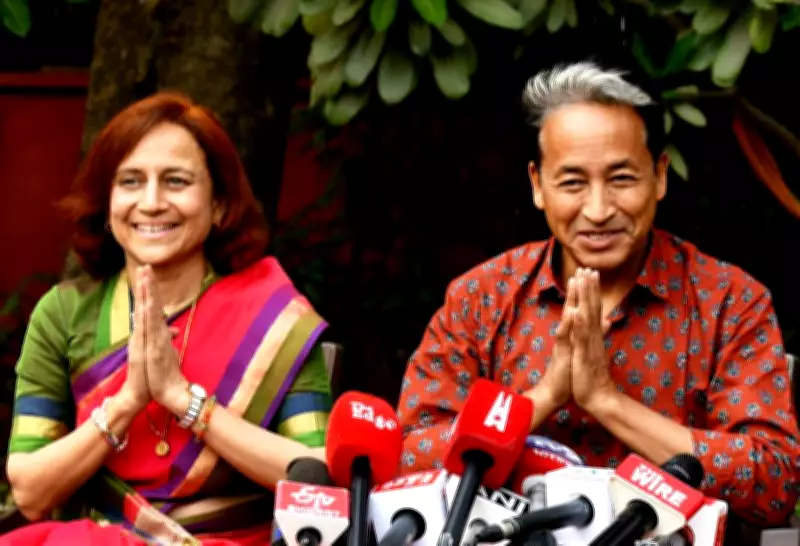
Sonam Wangchuk described his release as a "win-win" development, noting that the Centre has extended a hand to build trust for substantive dialogue with Ladakh's people. However, the conditions attached to his release—such as his wife Gitanjali Angmo's undertaking that he has no political ambitions and will not engage in agitation—reveal a troubling expectation for unconditional compliance. This raises questions about the government's approach to dissent and its use of stringent laws in politically sensitive situations.

Path Forward for the Centre
The government has expressed commitment to facilitating constructive talks with all stakeholders, yet the prolonged detention of Wangchuk highlights inconsistencies in this promise. To move forward, the Centre must respond with sincerity and urgency. Key actions should include:
- Ensuring that the next round of talks is not unduly delayed.
- Prioritizing the release of remaining detainees.
- Withdrawing cases linked to past protests.
Engaging with dissent, rather than suppressing it, is essential for fostering peace and stability in this strategically vital region. Voices from within Ladakh are increasingly emphasizing consensus over confrontation, and the Centre must align its actions with this sentiment to build lasting trust.