

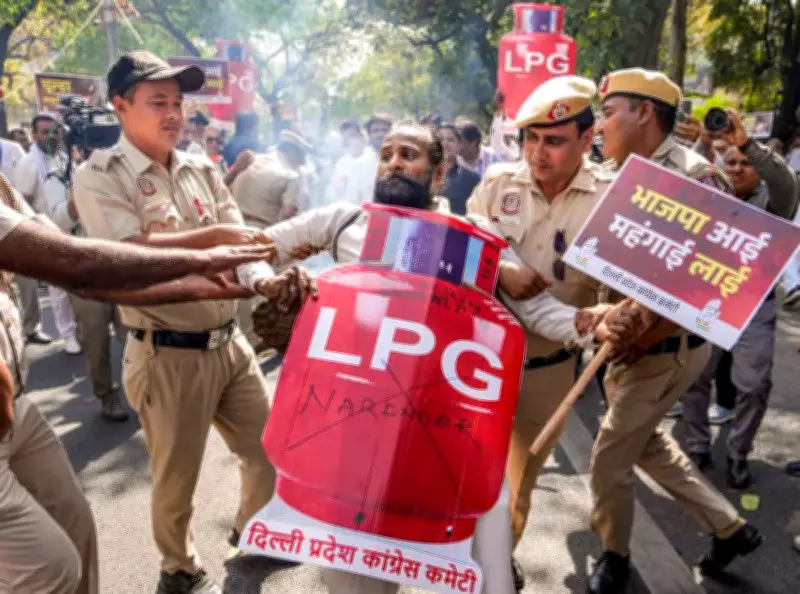
Lok Sabha Proceedings Halted Again Amid Opposition Uproar Over LPG Cylinder Prices
For the second day in a row, the Lok Sabha was forced to adjourn its proceedings as opposition members created a ruckus, demanding an immediate discussion on the escalating prices of domestic LPG cylinders. The session, which was scheduled to address various legislative matters, descended into chaos shortly after it began, with MPs from several parties raising slogans and holding placards inside the House.
Opposition Demands Discussion on Fuel Costs
The protests were spearheaded by MPs from the Congress, Trinamool Congress, and other opposition parties, who argued that the rising cost of cooking gas is placing an unbearable burden on households across India. They called for a dedicated debate on the issue, emphasizing the need for government intervention to provide relief to consumers. The opposition has been vocal about the impact of LPG price hikes on inflation and the common man's budget, particularly in the wake of recent economic challenges.
Speaker Om Birla attempted to restore order, urging members to allow the House to function smoothly and follow parliamentary decorum. However, the protests continued unabated, with MPs refusing to relent until their demand for a discussion was met. This marks a recurring pattern of disruptions in the current parliamentary session, highlighting the deepening political divide over economic policies.

Government's Stance and Parliamentary Deadlock
On the other side, treasury bench members accused the opposition of deliberately stalling proceedings and avoiding substantive debates on other critical issues. They maintained that the government is aware of the concerns regarding LPG prices and is taking steps to address them through existing welfare schemes. The deadlock has led to a significant loss of productive time in Parliament, with key bills and discussions being postponed indefinitely.
The adjournment came after repeated appeals for calm fell on deaf ears, forcing the Speaker to call off the day's business. This incident underscores the ongoing tensions between the ruling party and the opposition, with fuel prices emerging as a flashpoint in national politics. Analysts note that such disruptions could have broader implications for legislative efficiency and public trust in parliamentary processes.
Broader Implications and Public Reaction
The repeated adjournments have sparked concerns among citizens and political observers about the functioning of democratic institutions. Many are calling for a more constructive dialogue between political factions to resolve issues like LPG pricing without hampering parliamentary work. The protests reflect the growing public anxiety over rising living costs, which has become a central theme in political discourse ahead of upcoming elections.
As the stalemate persists, all eyes are on whether the government and opposition can find common ground to allow Parliament to resume its normal schedule. The outcome of this conflict may set a precedent for how economic grievances are addressed in the legislative arena in the future.






