

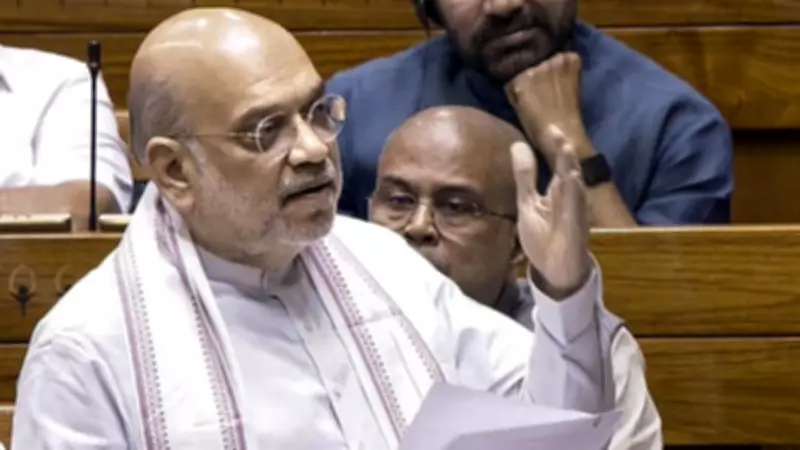
Lok Sabha to Hold Key Discussion on Combating Left-Wing Extremism
The Lok Sabha is set to convene a significant discussion on Monday, focusing on the government's ongoing efforts to eradicate left-wing extremism from the country. This parliamentary session aims to address strategies and measures implemented to counter this long-standing security challenge.
Rule 193 Facilitates Debate Without Formal Motions
The discussion has been officially listed under Rule 193 of the Rules of Procedure and Conduct of Business in the Lok Sabha. This procedural rule allows for a debate without the necessity of a formal motion or voting, enabling a more flexible and informative exchange of views among members. This approach is often used for discussions on matters of public importance where consensus-building is prioritized over legislative action.
This method ensures that the focus remains on evaluating and enhancing counter-extremism policies rather than on procedural formalities.

Background and Context of the Discussion
Left-wing extremism, often referred to as Naxalism, has been a persistent issue in various regions of India, affecting security and development. The government, under the leadership of Home Minister Amit Shah, has intensified efforts to address this through a combination of security operations, developmental initiatives, and community engagement programs.
- Security measures include increased deployment of forces in affected areas.
- Development projects aim to improve infrastructure and livelihoods.
- Community outreach focuses on winning the trust of local populations.
The discussion in the Lok Sabha is expected to cover these multifaceted approaches, with members from different political parties likely to present their perspectives and suggestions. This parliamentary debate underscores the national commitment to resolving internal security threats and promoting peace and stability across the country.
As the government continues its push to free India from the grip of left-wing extremism, this discussion serves as a crucial platform for transparency and accountability in governance. It highlights the collaborative effort required to tackle such complex issues, with the Lok Sabha playing a pivotal role in shaping and reviewing national policies.






