

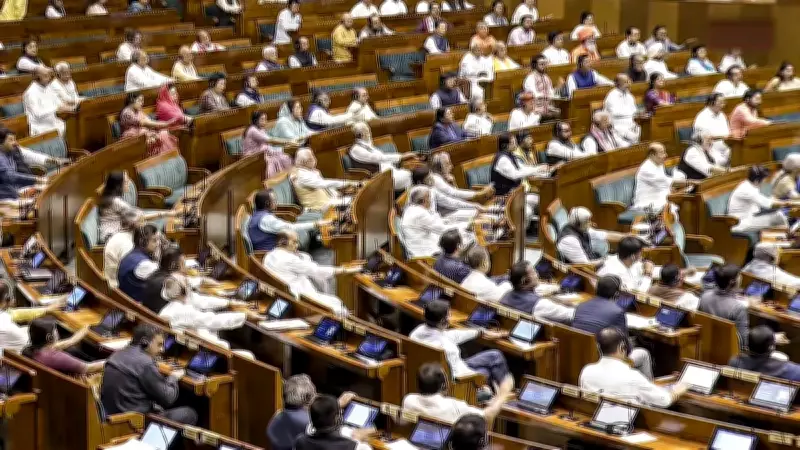
Lok Sabha Set for Major Expansion with Historic Women's Quota Bill
The Modi government is poised to introduce a landmark bill in Parliament that could reshape India's legislative landscape. The proposed legislation aims to expand the Lok Sabha, the lower house of Parliament, from its current 543 seats to a total of 816 seats. This significant increase of 273 seats represents one of the most substantial structural changes to the Indian Parliament in decades.
Key Provisions of the Proposed Bill
The bill contains several critical provisions that have far-reaching implications for Indian democracy. Most notably, it mandates a 33 percent reservation for women across all the newly created seats. This quota is designed to ensure greater gender representation in the highest law-making body of the country. The move aligns with long-standing demands from various political and social groups for enhanced female participation in governance.
According to sources, the government plans to table this bill during the upcoming parliamentary session. The legislative process is expected to involve extensive debates and discussions across party lines. If passed, the implementation of these changes is tentatively scheduled for the year 2026. This timeline allows for necessary administrative and logistical preparations, including potential delimitation exercises to redraw constituency boundaries.

Implications for Indian Politics and Governance
The expansion of the Lok Sabha to 816 seats would mark a profound shift in India's parliamentary system. It addresses the growing population and demographic changes since the last major seat adjustment. With more representatives, the Lok Sabha could potentially become more reflective of India's diverse populace. The 33 percent women's quota, in particular, is seen as a transformative step toward gender equality in political leadership.
Political analysts suggest that this move could influence electoral dynamics, coalition formations, and policy-making processes. The increased number of seats may also impact the representation of various states and regions, potentially leading to a more balanced distribution of political power. The bill's progress will be closely monitored by stakeholders across the political spectrum, civil society, and international observers.
As the Modi government prepares to present this historic bill, the nation awaits a parliamentary debate that could redefine the future of Indian democracy. The proposed changes underscore a commitment to inclusive governance and structural reform in line with contemporary democratic principles.






