

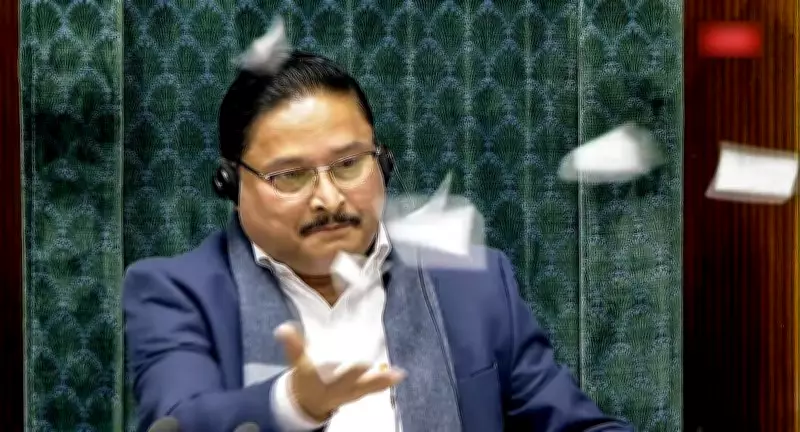
Lok Sabha Descends into Chaos Once More Over Rahul Gandhi's Naravane Memoir Reference
The Lok Sabha, India's lower house of Parliament, was plunged into turmoil yet again on Thursday as Congress leader Rahul Gandhi invoked excerpts from former Army Chief General M.M. Naravane's memoir during a session. This latest incident marks a continuation of the persistent disruptions that have plagued parliamentary proceedings in recent times, highlighting the deep-seated political tensions between the ruling coalition and the Opposition.
Heated Exchanges Over National Security and Political Accountability
As Rahul Gandhi rose to speak, he referenced specific passages from General Naravane's recently published autobiography, which details his tenure as the Chief of Army Staff. Gandhi's remarks quickly ignited a fierce backlash from members of the Treasury benches, who accused him of compromising national security and politicizing sensitive military matters. In response, Opposition MPs rallied in support, arguing that Gandhi was merely raising legitimate concerns about transparency and accountability in governance.
The ensuing pandemonium saw MPs from both sides shouting over each other, with the Speaker repeatedly attempting to restore order. This episode underscores the ongoing friction in Indian politics, where discussions on defense and security often become flashpoints for partisan conflict. The reference to a military figure's memoir in a parliamentary debate is particularly notable, as it blurs the lines between political discourse and institutional propriety.

Context of General Naravane's Memoir and Its Political Implications
General M.M. Naravane's memoir, released earlier this year, offers an insider's perspective on key events during his leadership, including the 2020 Galwan Valley clash with Chinese troops. While the book has been praised for its candid insights, it has also sparked debates in political circles, with various parties interpreting its contents to bolster their narratives.
Rahul Gandhi's decision to cite this memoir in the Lok Sabha is seen by analysts as a strategic move to challenge the government's handling of national security issues. By bringing a military leader's account into the parliamentary arena, the Opposition aims to hold the ruling dispensation accountable for its actions and decisions. However, critics argue that such references risk undermining the apolitical stature of the armed forces and could set a concerning precedent for future debates.
Broader Implications for Parliamentary Functioning and Democratic Discourse
This latest ruckus adds to a growing list of disruptions in the Lok Sabha, raising questions about the efficacy of India's parliamentary democracy. Frequent adjournments and noisy protests have become commonplace, often overshadowing substantive discussions on legislation and policy.
- The incident highlights the need for more decorum and constructive dialogue in Parliament to address pressing national issues.
- It also reflects the intense polarization in Indian politics, where even references to non-political figures can trigger major confrontations.
- Observers note that such episodes may erode public trust in parliamentary institutions if they persist without resolution.
As the session concluded amid chaos, it remains to be seen whether both sides will find common ground to ensure smoother proceedings in the future. The ongoing tensions suggest that debates over national security and political accountability will continue to be contentious, shaping the trajectory of India's democratic discourse in the months ahead.






