

Lok Sabha Stalemate Breaks as Opposition Leaders Engage in Parliamentary Debate
The prolonged stalemate in the Lok Sabha has finally come to an end, marking a significant shift in parliamentary proceedings. On Tuesday, February 10, 2026, several prominent Opposition leaders took the floor to address critical national issues, effectively breaking the deadlock that had gripped the House.
Opposition Leaders Speak Out on Budget and US Trade Agreement
Key figures from the Opposition, including Abhishek Banerjee and Akhilesh Yadav, delivered speeches focusing on two major topics: the recent Budget proposals and the ongoing negotiations for a US trade deal. Their participation in the debate signals a willingness to move past the impasse and engage in constructive dialogue on matters of economic and international importance.
The discussions highlighted concerns and perspectives from the Opposition benches, adding depth to the parliamentary discourse. This development is seen as a positive step toward normalizing proceedings in the Lok Sabha, which had been marred by disruptions and disagreements in recent sessions.

Rahul Gandhi's Speech and Potential for Further Resolution
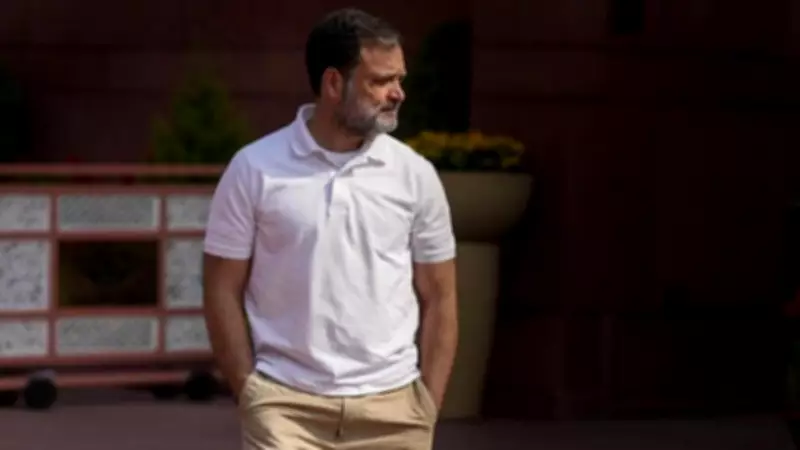
In a related development, there are indications that the Opposition may agree to end the stalemate specifically concerning Rahul Gandhi's speech. Sources suggest that the Leader of the Opposition (LoP) is likely to address the House on February 11, 2026, potentially paving the way for a more collaborative atmosphere.
This move could foster greater political cooperation and ensure that important legislative and policy matters are discussed without further delays. The focus on Rahul Gandhi's upcoming speech underscores the ongoing efforts to resolve parliamentary conflicts and prioritize national interests over partisan disputes.
Implications for Indian Politics and Governance
The breaking of the stalemate in the Lok Sabha has broader implications for Indian politics and governance. It demonstrates the resilience of democratic institutions and the capacity for political parties to find common ground, even in times of disagreement.
As the Opposition engages more actively in debates, it is expected to contribute to a more robust and transparent parliamentary process. This could lead to better scrutiny of government policies, including the Budget and international trade agreements, ultimately benefiting the public and strengthening democratic accountability.
The events of February 10, 2026, as reported by Amrita Madhukalya, highlight a turning point in the current parliamentary session, with hopes for continued progress and dialogue in the days ahead.






