

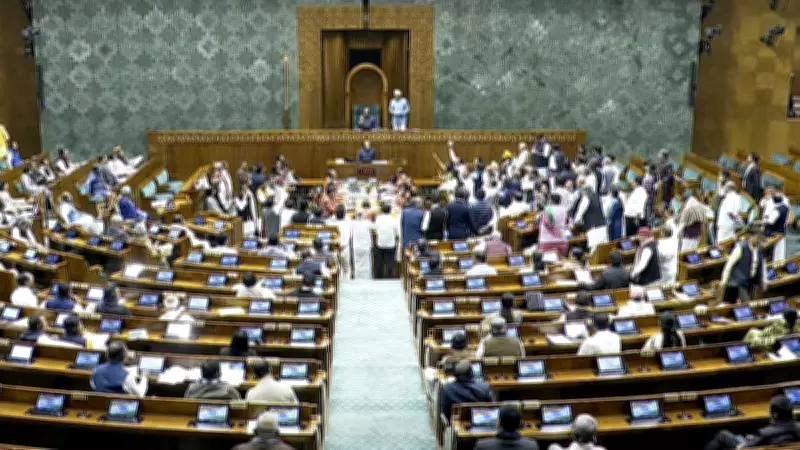
Lok Sabha to Hold Crucial Discussion on Ending Naxalism This Monday
The Lok Sabha is set to engage in a significant parliamentary discussion this Monday, focusing on strategies to eradicate Naxalism in India. This debate, which aims to address the long-standing issue of left-wing extremism, has been formally listed by the government under a specific procedural rule that facilitates a streamlined and efficient exchange of views.
Government Utilizes Rule 193 for Motion-Free Debate
According to official sources, the discussion will be conducted under Rule 193 of the Rules of Procedure and Conduct of Business in Lok Sabha. This rule is particularly notable because it allows for a debate without the need for a formal motion or voting, enabling members to freely express their perspectives and propose solutions without the constraints of procedural formalities. This approach is designed to foster a more open and constructive dialogue on a critical national security matter.
The use of Rule 193 underscores the government's intent to prioritize substantive discussion over procedural hurdles, potentially leading to more actionable insights and collaborative efforts in combating Naxalism. This method has been employed in the past for sensitive topics, ensuring that parliamentary time is used effectively to address urgent issues.

Background and Implications of the Naxalism Discussion
Naxalism, often referred to as left-wing extremism, has been a persistent challenge in various regions of India, affecting states like Chhattisgarh, Jharkhand, and Odisha. The movement, which originated in the late 1960s, involves armed insurgency and has significant implications for internal security, development, and governance. Previous governments have implemented a range of measures, including security operations and developmental initiatives, to counter this threat.
The upcoming Lok Sabha debate is expected to cover a wide array of topics related to Naxalism, such as:
- Current security strategies and their effectiveness in reducing extremist activities.
- Socio-economic development programs aimed at addressing the root causes of Naxalism, including poverty and lack of infrastructure.
- Coordination between central and state governments to enhance counter-insurgency efforts and ensure better implementation of policies.
- Human rights concerns and the need for a balanced approach that combines security with welfare measures.
This discussion comes at a time when there have been reports of fluctuating levels of Naxalite violence, making it a timely and relevant topic for parliamentary scrutiny. Experts suggest that a holistic approach, integrating security, development, and dialogue, may be key to achieving lasting peace.
Parliamentary Procedure and Expected Outcomes
Under Rule 193, the discussion will proceed without the formalities typically associated with motions, allowing members from across political parties to contribute without the pressure of voting outcomes. This can lead to a more bipartisan and nuanced debate, as it removes the element of political scoring and focuses on problem-solving.
The government is likely to present updates on existing initiatives, such as the Security Related Expenditure (SRE) scheme and the Integrated Action Plan (IAP), while opposition parties may raise questions about implementation gaps and human rights issues. The debate is anticipated to highlight both successes and challenges in the fight against Naxalism, providing a platform for feedback and potential policy adjustments.
In conclusion, the Lok Sabha's discussion on Monday represents a critical step in India's ongoing efforts to address Naxalism. By leveraging Rule 193, the government aims to facilitate a productive dialogue that could inform future strategies and reinforce national commitment to eradicating this threat. As the debate unfolds, it will be closely watched by stakeholders across the political and security spectrum, with hopes for actionable outcomes that enhance peace and development in affected regions.






