

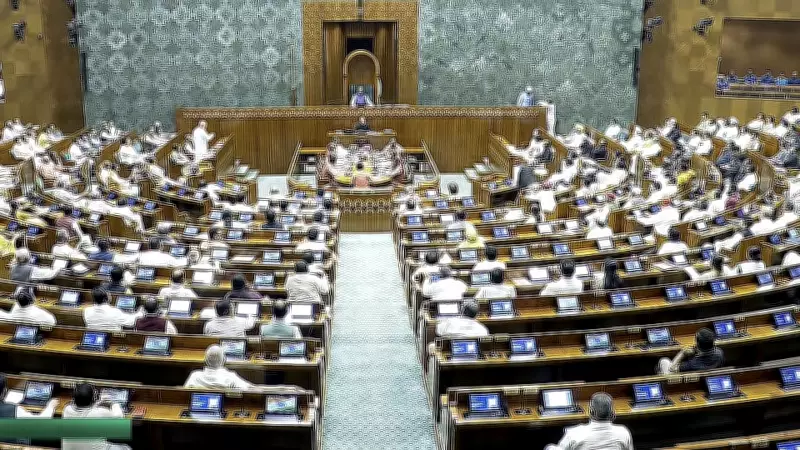
Historic Vote Scheduled for Women's Reservation Bill in Lok Sabha
In a significant development for Indian parliamentary proceedings, the Lok Sabha is set to conduct a decisive vote on three important bills, with the highly anticipated women's reservation legislation taking center stage. The voting session is officially scheduled for Friday, April 17, 2026, marking a pivotal moment in the nation's legislative calendar.
Speaker Om Birla Outlines Parliamentary Schedule
Lok Sabha Speaker Om Birla has provided detailed information about the upcoming parliamentary activities. According to his announcement, the House will engage in an extensive debate spanning approximately 15 to 18 hours on the three proposed bills. This substantial discussion period reflects the importance and complexity of the legislation under consideration.
The voting process is specifically timed to commence at 4 PM on Friday, April 17, 2026, following the conclusion of the debate sessions. This structured approach ensures that all perspectives are thoroughly examined before members cast their votes on these critical matters.

Comprehensive Legislative Agenda
While the women's reservation bill has captured significant public and political attention, it represents just one component of a broader legislative package. The Lok Sabha will simultaneously consider two additional bills, though specific details about these companion legislations were not immediately disclosed in the initial announcement.
The inclusion of multiple bills in a single voting session demonstrates the parliamentary commitment to addressing several important issues efficiently while maintaining proper procedural rigor through extended debate periods.
Parliamentary Procedure and Timeline
The announcement, made on Wednesday, April 16, 2026, provides members with adequate preparation time for the substantial debate ahead. The extended discussion period of 15-18 hours allows for comprehensive examination of:
- Constitutional implications of the women's reservation bill
- Potential impacts on electoral representation
- Implementation mechanisms and timelines
- Consideration of the two accompanying bills
This procedural transparency ensures that the legislative process maintains both thoroughness and democratic integrity as the nation approaches this landmark parliamentary decision.






