

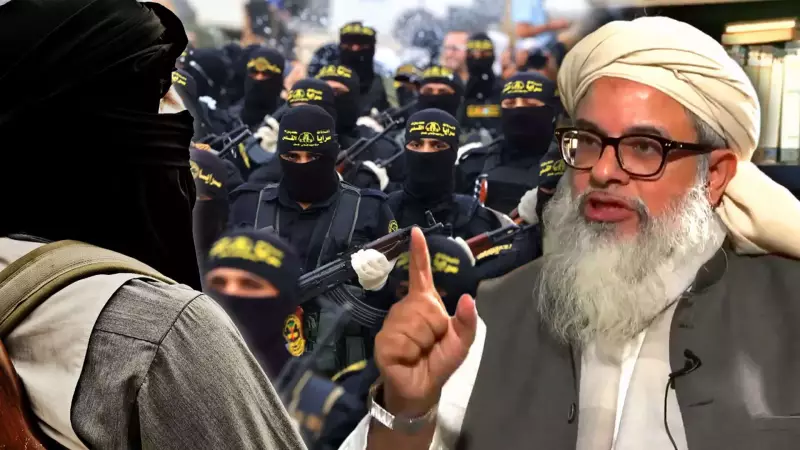
In a significant clarification aimed at dispelling widespread misconceptions, Jamiat Ulama-i-Hind President Maulana Mahmood Madani has firmly stood by his recent remarks on the concept of 'jihad'. Speaking on December 3, 2025, Madani sought to reclaim the term from its distorted usage by terrorists and certain political narratives.
Reclaiming Jihad from Misinterpretation
Maulana Madani emphasized that the term 'jihad' is profoundly misunderstood and deliberately misused. He clarified that in its true Islamic spirit, the greatest jihad is the struggle for self-improvement and speaking out against injustice. His organization, a prominent Islamic body in India, has a long history of working to expose how terrorist groups twist religious terminology to justify violence.
Drawing a critical distinction, Madani separated 'fasaadi'—those who cause destruction and chaos—from genuine 'jihadi' efforts. He stated that true jihadis are those who oppose terrorism and work for societal good, whereas terrorists are merely fasaadis sowing corruption. This clarification comes amidst ongoing debates on religious terminology in the national discourse.

Condemning Politicized Terminology
The Jamiat leader strongly criticized the creation and propagation of terms like "love jihad," "land jihad," and "vote jihad." He labeled these as deliberate attempts to malign the Muslim community and create false narratives. Madani argued that such constructs are politically motivated and damage social harmony by attributing communal motives to individual actions.
He urged the public not to fall for these misinterpretations, warning that misconstrued concepts ultimately strengthen external agendas while weakening the community from within. His statements were a clear attempt to steer the conversation back to theological and ethical principles, away from politicized rhetoric.
Stance on National Symbols and Dialogue
Addressing another sensitive issue, Maulana Madani referenced the debate around 'Vande Mataram'. He noted that his organization had internally discussed the matter and maintains a position opposing any forced implementation of singing the song. Instead, he advocated for continued dialogue with civil society and the pursuit of legal measures if necessary to address concerns.
Throughout his clarification, Madani was unequivocal in stating that his explanations of jihad do not support or endorse violence in any form. The objective, he reiterated, is solely to clarify Islam's true teachings and to counter the propaganda of both violent extremists and those who seek to defame the community.
The leader's firm stance highlights the ongoing challenge mainstream Muslim organizations face in navigating complex religious and political landscapes, striving to define their faith on their own terms while countering misinformation from multiple fronts.






