

MAGA Supporters and Trump Slam Bad Bunny's Super Bowl Halftime Show
The Super Bowl LX halftime performance by Latin rap superstar Bad Bunny ignited a firestorm of criticism from MAGA supporters and former President Donald Trump, who labeled it "one of the worst ever" due to its predominantly Spanish-language content. Trump expressed frustration that "nobody understood anything," setting off a contentious debate about American identity and cultural representation on one of the nation's biggest stages.
Republican Infighting Over Messaging and Youth Appeal
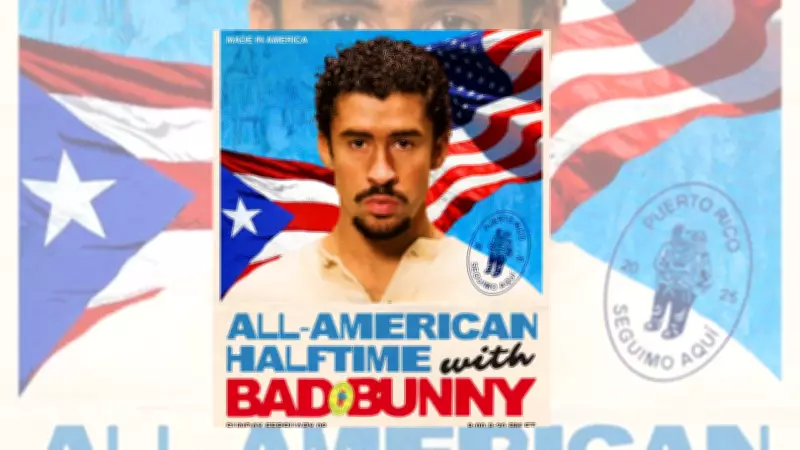
Adding fuel to the controversy, Alexis Wilkins, a singer and girlfriend of Kash Patel, entered the fray by defending the Democrats' support for Bad Bunny. In a social media post, Wilkins argued that Republicans are missing a crucial opportunity to connect with younger voters. "Unpopular: Republicans need to unite and get on better messaging because this branding is fantastic and allows all dems to get behind it. Also - super aesthetic," she wrote, sharing a Democratic post featuring Bad Bunny with an American flag and the caption 'All-American Halftime'.
Despite being called out for not watching the show herself, Wilkins stood firm, emphasizing that the Democratic branding effectively targets youth demographics. This internal disagreement highlights a growing rift within conservative circles over cultural outreach strategies.

MAGA's Alternative Narrative and Harsh Criticisms
MAGA activists vehemently rejected Bad Bunny's performance, with many stating they preferred watching the Turning Point USA (TPUSA) halftime show instead. Laura Loomer, a prominent MAGA activist, disparaged the official show as featuring "illegal aliens and Latin hookers twerking," while podcaster Benny Johnson delivered a scathing review, calling it "woke, cringe, unintelligible, foreign, boring, derivative, preachy, and creatively bankrupt."
Johnson contrasted this with the TPUSA show, which he praised for "feeling American," and sentimentally noted, "Charlie is smiling from heaven." These comments underscore a broader cultural clash over what constitutes authentic American entertainment.
Backlash Over Patriotism and Puerto Rican Identity
The MAGA meltdown faced significant backlash from fans and commentators who pointed out the factual inaccuracy of labeling Bad Bunny as un-American. As a Puerto Rican, Bad Bunny is a U.S. citizen by birth, since Puerto Rico is a U.S. territory. Critics argued that questioning his patriotism is itself unpatriotic, igniting a heated discussion about national identity and inclusivity.
Renowned broadcaster Piers Morgan came to Bad Bunny's defense, declaring the show "probably the best in Super Bowl history." He reminded detractors that Spanish is the first language for over 50 million Americans and challenged trolls who claim English is the only American language, stating, "English is my language and it is not American." This perspective highlights the linguistic diversity within the United States and challenges narrow definitions of American culture.
Broader Implications for Political and Cultural Discourse
This incident transcends mere entertainment criticism, reflecting deeper societal tensions around immigration, language, and national identity. The Democratic Party's embrace of Bad Bunny's performance as "All-American" signals a strategic appeal to Latino and youth voters, while the MAGA response reveals a steadfast commitment to traditional cultural norms.
As the debate rages on, it underscores the evolving nature of American patriotism and the political stakes of cultural representation in high-profile events. The clash between MAGA's vision of America and the multicultural reality showcased at the Super Bowl continues to resonate, shaping public discourse in an increasingly polarized landscape.






