

Maharashtra Rajya Sabha Elections: Ruling Alliance Holds Clear Advantage as Opposition Faces Pressure
Maharashtra is set for another electoral contest in April, with seven Rajya Sabha seats falling vacant on April 2 as the terms of incumbent MPs, including Nationalist Congress Party SP chief Sharad Pawar, conclude. This election presents a significant challenge for the opposition Maha Vikas Aghadi, which is numerically disadvantaged in the state Assembly and can realistically target only one seat if it maintains unity.
Seats Up for Grabs and Current Representation
The seven seats going to polls are currently held by four political parties. The Bharatiya Janata Party occupies two seats through members Dhairyashil Mohan Patil and Bhagwat Karad, with an additional seat allocated from its quota to Republican Party of India leader Ramdas Athawale. The Sharad Pawar-led NCP SP holds two seats via Pawar and Fauzia Khan. The Congress is represented by Rajani Ashokrao Patil, while the Shiv Sena UBT has Priyanka Chaturvedi.
Overall, Maharashtra has 19 Rajya Sabha members. The BJP leads with seven seats, followed by the Congress and NCP with three each, the NCP SP and Shiv Sena UBT with two each, and the Shiv Sena and Republican Party of India with one seat apiece.

Electoral Process and Vote Quota
Rajya Sabha members are elected by MLAs of the state Assembly through a secret ballot system. MLAs use paper ballots to rank candidates in order of preference. A candidate must secure a fixed quota of votes to be declared elected, with surplus votes transferred based on preferences until all seats are filled. Although voting is secret, MLAs are required to show their ballot paper to their party's authorized agent before casting it, a rule designed to prevent cross-voting.
For the seven Maharashtra seats, the quota is calculated at 37 votes, assuming all 288 MLAs participate and all votes are valid. This number may vary slightly due to absences or invalid votes.
Numerical Edge for the Ruling Mahayuti Alliance
The ruling Mahayuti alliance is in a strong position, with the BJP holding 131 MLAs, the Eknath Shinde-led Shiv Sena having 57, and the Ajit Pawar-led NCP possessing 40, totaling 228 MLAs. This strength allows the ruling combine to secure six of the seven Rajya Sabha seats if its votes remain consolidated.
On the opposition side, the Congress with 16 MLAs, the Shiv Sena UBT with 20, and the NCP SP with 10 collectively account for 46 votes. This is sufficient for only one seat and falls short of competing for a second unless there is cross-voting or abstention from the ruling alliance. The election will test the cohesion of the MVA, as it has room for just one candidate, and any division in opposition votes could further weaken its prospects. Meanwhile, the ruling alliance appears poised to dominate the polls if its MLAs vote as planned.
Sharad Pawar's Political Future in Focus
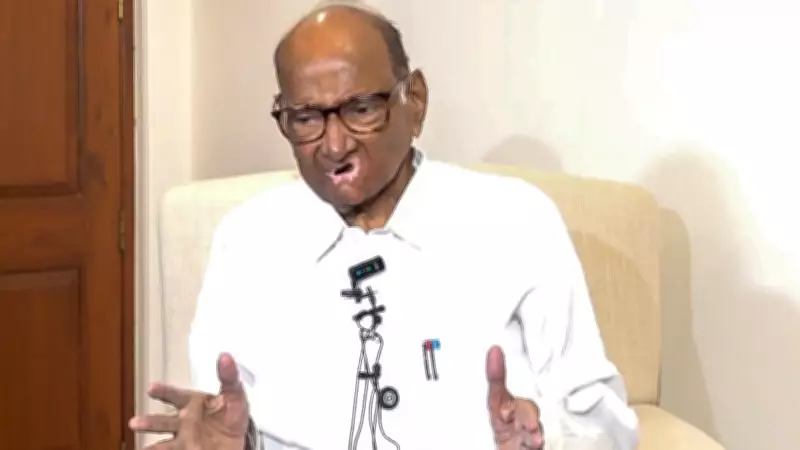
The Rajya Sabha election coincides with a period of heightened political significance for Sharad Pawar, following the death of his nephew Ajit Pawar. Pawar has previously spoken openly about stepping back from electoral politics. After a career spanning over five decades and 14 contested elections, he stated in November last year that he does not plan to contest any more elections once his current Rajya Sabha term ends.
However, Ajit Pawar's death has created a vacuum in the rival NCP faction that aligned with the BJP and Shiv Sena, bringing Sharad Pawar back to the center of political discussions despite his stated intent to step away from electoral contests. It remains to be seen whether the Maratha strongman will be drawn back into the fray for another political battle, raising questions about his continued presence in an elected House in the coming years.






