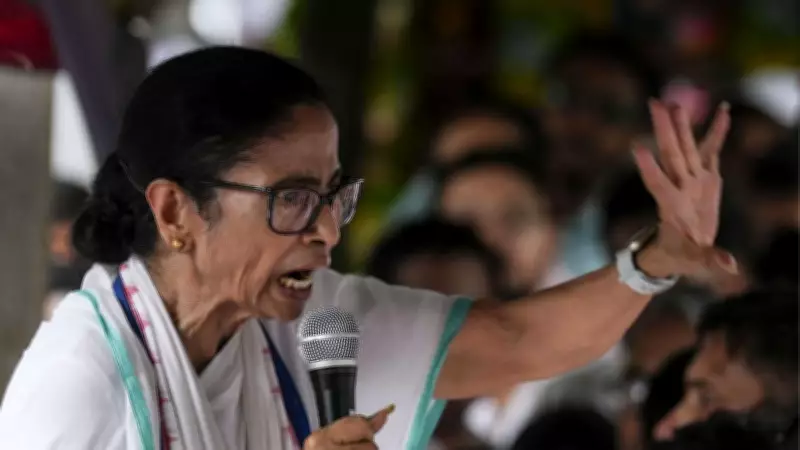
Kolkata: In a significant organizational overhaul, Trinamool Congress (TMC) supremo Mamata Banerjee has initiated a major reshuffle of the party's leadership structure. The move comes amid escalating internal dissent and growing criticism from party insiders following the party's recent electoral setbacks. The reworking of roles aims to reduce the concentration of responsibilities around Abhishek Banerjee, the party's national general secretary and nephew of Mamata Banerjee.
New Appointments and Role Changes
As part of the reshuffle, Derek O'Brien and Dola Sen have been appointed to assist Abhishek Banerjee in his duties. This is seen as a strategic move to distribute power and address concerns about the centralization of authority. Additionally, Chandrima Bhattacharya has been named as the new state president of the TMC, replacing the previous leadership. Several other new leaders have been given key positions within the party hierarchy, signaling a generational shift and an effort to bring fresh perspectives.
Reasons Behind the Reshuffle
The leadership changes come after a period of open dissent from some party leaders, who had voiced their dissatisfaction with the party's direction and decision-making process. The recent electoral performance of the TMC, which fell short of expectations, further fueled internal criticism. By restructuring the leadership, Mamata Banerjee aims to address these grievances and strengthen the party's organizational framework ahead of future elections.

Analysts believe that the reshuffle is also intended to send a message of unity and inclusivity within the party. The inclusion of Derek O'Brien, a seasoned politician and Rajya Sabha member, and Dola Sen, a prominent trade union leader, is expected to bring diverse expertise to the party's functioning.
Reactions and Implications
Party insiders have reacted cautiously to the changes, with many expressing hope that the new structure will lead to better coordination and more effective governance. However, some political observers suggest that the reshuffle may not fully quell the underlying dissent, as the core issues of factionalism and power dynamics remain.
The opposition parties have criticized the move as a cosmetic adjustment, arguing that the TMC is trying to mask deeper internal conflicts. Nonetheless, the leadership changes are likely to have a significant impact on the party's strategy and operations in the coming months.
Looking Ahead
As the TMC prepares for upcoming local body elections and the next general elections, the reshuffle is seen as a crucial step in revitalizing the party's grassroots machinery. The new team will be tasked with rebuilding trust among party workers and addressing the challenges posed by a resurgent opposition in West Bengal.