Mamata Banerjee Condemns Voter List Revision as 'Got-Up Game' in Bengal
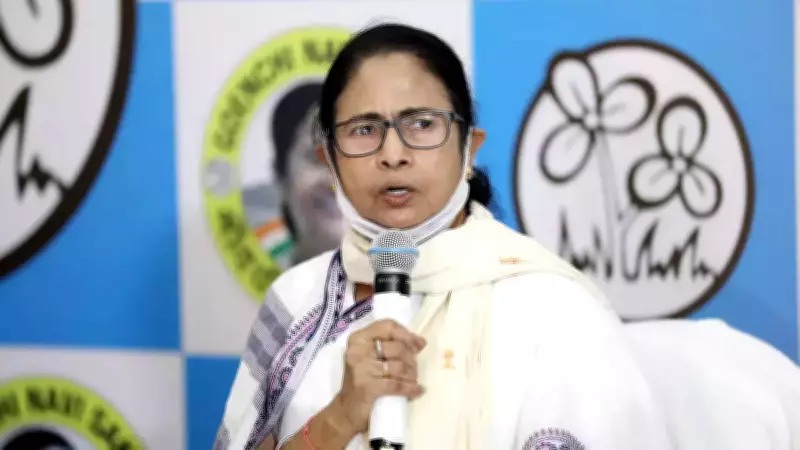
West Bengal Chief Minister Mamata Banerjee launched a fierce attack on Tuesday, denouncing the Special Intensive Revision of the electoral roll as a "got-up game" orchestrated by BJP leaders. Speaking at rallies in Chakdah, Bongaon, and Habra—key towns in the Matua belt of Nadia and North 24 Parganas—she likened the process to the Bengali year-end Chaitra sale, alleging mass deletions of voter names targeting specific communities.
Assurances and Allegations of Discrimination
Banerjee assured residents that "no one will be thrown out of Bengal" and vowed to challenge the exclusions through judicial tribunals. She emphasized that the 2026 assembly polls would be a "battle for democratic revenge, a fight for Bengali identity and address." The CM accused the revision of unfairly removing names of long-term residents while swiftly granting citizenship to new arrivals under the Citizenship Amendment Act (CAA).
"Your names are being removed. Those who have been here for so many years are having their names struck off, while those who arrived in 2024 are being granted citizenship swiftly through CAA," Banerjee stated. She described inconsistencies where some family members remained on the list while others did not, calling it a "game of manipulation" by the BJP to divide votes.

Targeting of Matua and Minority Communities
Banerjee alleged that the Special Intensive Revision specifically targeted Matua and Rajbanshi communities, with elector names deleted in areas like Bagdah, Haringhata, Gaighata, and Chakdah. She questioned, "Why this discrimination? Why are Matuas being targeted?" The CM also highlighted deletions in minority-dominated districts such as Murshidabad, Malda, North Dinajpur, South 24 Parganas, and Nadia, noting that initial deletions in Bhowanipore amounted to 40,000 electors.
She asserted, "We will not allow a single detention centre in Bengal. They are anti-Namasudra, anti-Matua, anti-Rajbanshi and anti-woman." Banerjee urged affected individuals to file appeals before judicial tribunals established per a Supreme Court order, promising support from her administration.
Legal and Political Ramifications
With the voters' list for the first phase of polls frozen on Monday and the second phase locking on April 9, Banerjee warned that names cleared by tribunals might only be added post-polls due to alleged conspiracies. She clarified that appeals could use documents beyond the 13 notified by the Election Commission for the revision.
Turning to BJP's "divisive politics" in the Matua belt, Banerjee cautioned against exploiting familial divisions within the Matua Mahasangh, hinting at knowledge of sensitive cases. "If you talk too much, I will unmask you," she warned, referencing perceived biases in ED and CBI actions against political opponents.
Broader Criticisms and Community Impact
Banerjee extended her criticism to deletions affecting religious figures, citing the removal of 300 nuns from Missionaries of Charity and impacts on organizations like Ramakrishna Mission and Bharat Sevashram Sangha. She framed the issue as part of a larger pattern undermining democratic integrity in Bengal.
The CM's rallies underscored her commitment to protecting voter rights and combating what she views as systematic exclusion efforts ahead of crucial elections. Her statements reflect ongoing tensions in Bengal's political landscape, with implications for community relations and electoral fairness.