

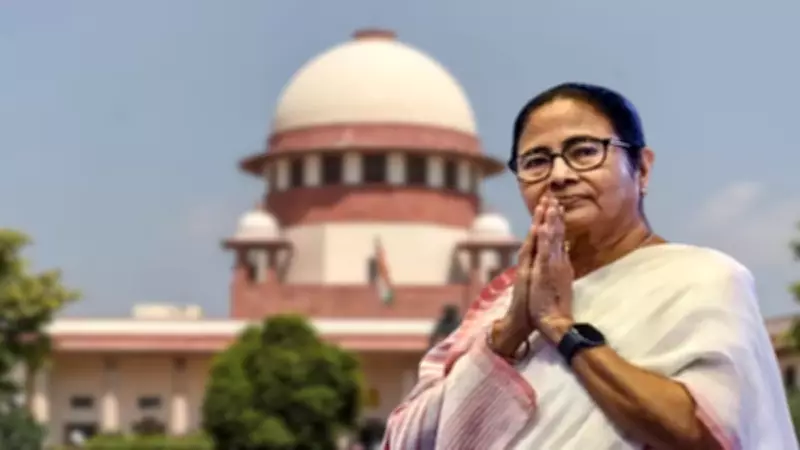
Mamata Banerjee to Personally Argue Before Supreme Court in High-Stakes Bengal SIR Hearing
In a significant legal and political development, West Bengal Chief Minister Mamata Banerjee is set to appear in person before the Supreme Court of India today to argue her case in the ongoing State Information Report (SIR) matter. This hearing, scheduled for February 4, 2026, marks a pivotal moment in the dispute between the Trinamool Congress (TMC) government and the Election Commission of India (ECI), drawing national attention due to its implications for electoral governance and state autonomy.
Background of the Bengal SIR Case
The case centers on allegations and counter-allegations regarding the conduct of elections and administrative actions in West Bengal. The Election Commission has been involved in overseeing certain aspects, leading to legal challenges from the state government. Mamata Banerjee's decision to argue the case herself underscores the personal and political stakes involved, as she seeks to defend her administration's position directly before the highest court in the land.
Key Points of the Hearing
- Personal Appearance: Mamata Banerjee's in-person argument is rare for a sitting chief minister, highlighting the case's importance.
- Legal Arguments: The hearing will focus on jurisdictional issues, the powers of the Election Commission, and constitutional matters related to state elections.
- Political Ramifications: The outcome could influence future interactions between state governments and central election bodies, setting a precedent for similar disputes.
- Timing: With ongoing political tensions in Bengal, this hearing is closely watched by parties across the spectrum.
Implications for West Bengal and National Politics
This Supreme Court hearing is not just a legal proceeding but a political spectacle that could reshape dynamics in West Bengal. If Mamata Banerjee succeeds, it may bolster her government's authority and challenge the Election Commission's interventions. Conversely, a ruling in favor of the ECI could reinforce central oversight in state electoral matters. The case also touches on broader themes of federalism and democratic processes in India, making it a landmark event in the country's judicial and political landscape.

Latest Updates and Expectations
As the hearing commences today, legal experts anticipate intense arguments from both sides. The Supreme Court's decision will be crucial in determining the balance of power between state and central institutions. Observers note that this case could lead to significant reforms in how election-related disputes are handled, potentially impacting upcoming state and national elections. The hearing is expected to draw media and public interest, with updates likely to dominate news cycles throughout the day.






