

Mamata Banerjee's Supreme Court Gambit: The Art of Political Theater
In the dramatic arena of Indian democracy, few political figures command the stage with the raw authenticity of Mamata Banerjee. The West Bengal Chief Minister's personal appearance before the Supreme Court on February 4, 2026, to challenge the Special Intensive Revision (SIR) of electoral rolls represents far more than a routine legal proceeding. This calculated move serves as a masterclass in political performance, blending legal strategy with charismatic authority to reinforce her enduring street-fighter persona.
The Optics of Ordinary: A Calculated Performance
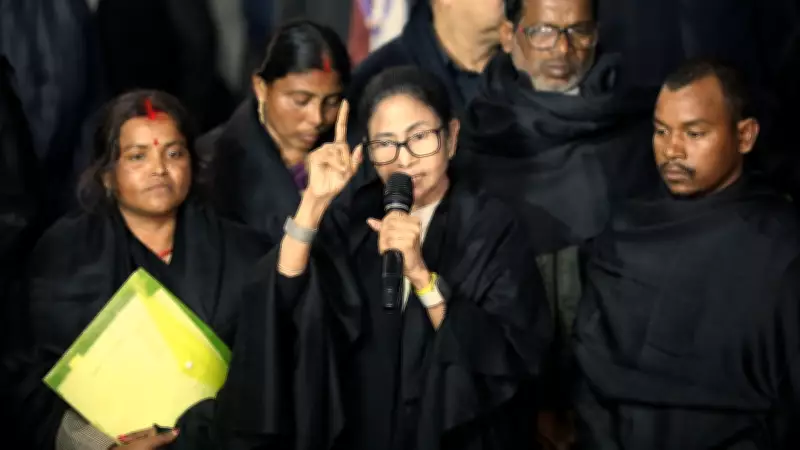
Banerjee's decision to argue her own case before the highest court wasn't merely about legal representation—it was a deliberate theatrical display. By appearing in her signature cotton saree and slippers within the hallowed halls of the Supreme Court, she created a powerful visual contrast that resonates deeply with her political base. This declassed aesthetic serves multiple purposes:
- It reinforces her image as an unmediated, authentic leader
- It creates a stark contrast with the polished, bureaucratic appearance of political rivals
- It visually connects her to the everyday struggles of ordinary Bengalis
This performance follows the dramatic January 2026 incident where Banerjee reportedly confronted Enforcement Directorate officials, further cementing her reputation as a leader willing to engage in the physical and linguistic muck of political battle.

From Nandigram to Supreme Court: A Pattern of Defiance
Banerjee's current legal strategy follows a well-established pattern of political defiance. Her 2021 decision to abandon a safe seat and contest from Nandigram—the crucible of her political rebirth—demonstrated her willingness to take calculated risks. Similarly, her Supreme Court appearance represents another refusal to play by conventional political rules. This consistent pattern serves to:
- Reinforce her image as a leader who doesn't outsource her battles
- Create powerful political narratives from administrative processes
- Position her as the primary defender of Bengali interests
The 2026 Election Calculus: Transforming Administrative Processes into Political Capital
With West Bengal's 2026 Assembly elections approaching, Banerjee's Supreme Court appearance carries significant strategic weight. The SIR exercise, which involves potential deletion of names from electoral rolls, has become an existential flashpoint in Bengal politics. By framing this administrative process as harassment and positioning herself as the defender of democracy, Banerjee accomplishes several critical objectives:
- She transforms dry bureaucratic procedures into compelling narratives of Bengali identity under siege
- She maps her legal struggles onto the everyday anxieties of voters facing discrepancy notices
- She shifts the electoral conversation from governance metrics to visceral protectionism
The Political Consequences: A Leader Hard to Pin Down
Banerjee's Supreme Court performance yields significant political dividends. By winning the optics of the lone warrior, she further consolidates her political base while creating a complex challenge for opponents. Her constant friction with central institutions serves multiple strategic purposes:
- It reinforces her image as a regional leader resisting central overreach
- It complicates attempts to brand her politics as muscular, given her gender and the contrasting Hindutva affectations of the central government
- It maintains protest as the most valuable currency in Bengal's political laboratory
This strategic positioning ensures that the 2026 election will be fought on Banerjee's preferred terrain—not on conventional governance metrics, but on the emotional ground of protectionism and regional identity. Her ability to transform legal battles into political theater demonstrates why, in Bengal politics, the street fighter remains remarkably hard to pin down.






