

Mamata Banerjee's Supreme Court Challenge Ignites National Debate on Bengal's Voter Rolls
West Bengal Chief Minister Mamata Banerjee's dramatic appearance before the Supreme Court last week has transformed a technical electoral exercise into a major national political controversy. The fiery leader personally argued against the Special Intensive Revision (SIR) of Bengal's electoral rolls, creating a precedent that has reverberated far beyond the state's borders.
The Supreme Court Confrontation and Its Political Echoes
Observers from outside West Bengal suggest that much of the support for Mamata Banerjee's courtroom performance stems more from widespread opposition to Prime Minister Narendra Modi than from the legal merits of her case. The Chief Minister's willingness to personally lead the legal battle has nonetheless elevated her standing among supporters of the fragmented INDIA opposition alliance, who admire her combative approach to political confrontation.
Despite the theatrical courtroom drama, there remains no concrete indication that Mamata's demand to scrap the Special Intensive Revision has gained substantive legal traction. The Supreme Court has yet to deliver any ruling that would halt or modify the electoral roll revision process, leaving the technical exercise to continue amid heightened political scrutiny.

The Core Controversy: Fertile Fathers Versus Phantom Voters
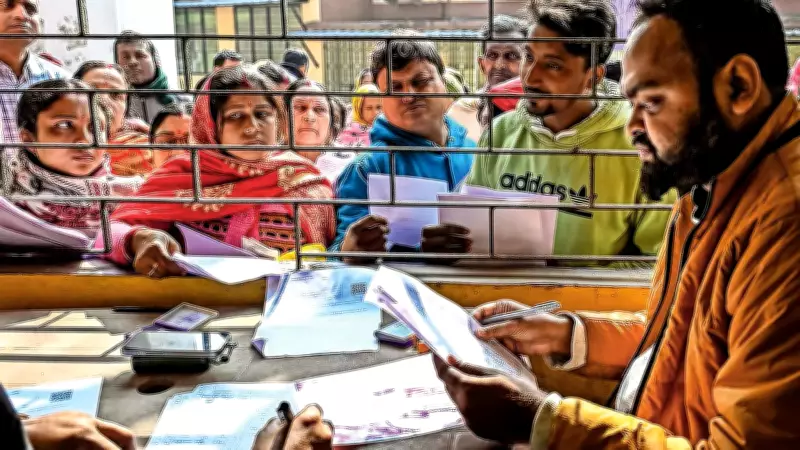
At the heart of this confrontation lies a fundamental question about electoral integrity in India's politically volatile eastern state. The Special Intensive Revision represents a comprehensive verification of West Bengal's voter lists, aimed at identifying and removing duplicate, deceased, or otherwise ineligible voters from the electoral rolls.
Mamata Banerjee's Trinamool Congress government has framed the exercise as politically motivated, suggesting it could disenfranchise legitimate voters while potentially enabling electoral manipulation. Opposition parties counter that the revision is essential for ensuring free and fair elections in a state with a history of electoral irregularities.
The debate has crystallized around two competing narratives:
- Proponents of the SIR argue it addresses longstanding concerns about "phantom voters"—non-existent or ineligible individuals remaining on electoral rolls who could enable fraudulent voting
- Critics led by Mamata Banerjee warn against what they term the "fertile fathers" approach—excessively aggressive purging of voter lists that could disenfranchise legitimate citizens, particularly from marginalized communities
Elevating a State Issue to National Prominence
Mamata Banerjee has successfully transformed what might otherwise have remained a technical administrative matter into a national political issue. Her Supreme Court appearance and subsequent political rhetoric have drawn attention from political observers across India, particularly among those who view Bengal's political battles from a distance.
The timing is particularly significant, with West Bengal approaching another crucial electoral cycle. By framing the voter roll revision as a fundamental democratic issue, Mamata has positioned herself as a defender of electoral rights while simultaneously challenging what she portrays as overreach by central authorities.
This strategic elevation of a state-level administrative exercise to national political discourse demonstrates Mamata Banerjee's continued ability to set the political agenda and command national attention, even as her party faces significant challenges within West Bengal itself.
The Broader Implications for Indian Democracy
The Special Intensive Revision controversy raises fundamental questions about electoral integrity, federal-state relations, and the intersection of administrative processes with political competition. As the legal and political battles continue, several key issues remain unresolved:

- The constitutional balance between ensuring accurate voter rolls and protecting legitimate voting rights
- The appropriate role of judicial intervention in electoral administration matters
- The political consequences of technical electoral exercises in highly competitive democratic environments
- The precedent set by a sitting chief minister personally arguing before the Supreme Court on such matters
As West Bengal prepares for its next electoral test, the Special Intensive Revision debate has become a proxy for broader political conflicts, with implications that extend far beyond the state's borders and into the heart of India's democratic processes.





