

Mamata Banerjee's Twin Strategy to Retain Bengal: Political Theatre and Cash Transfers
In a dramatic 48-hour period last week, West Bengal Chief Minister Mamata Banerjee unveiled a dual-pronged electoral strategy, blending high-stakes political theatre with targeted welfare initiatives. This move sharpens her poll pitch as the state gears up for Assembly elections, even as criticism mounts over her government's financial management.
Political Theatre: Supreme Court Spectacle
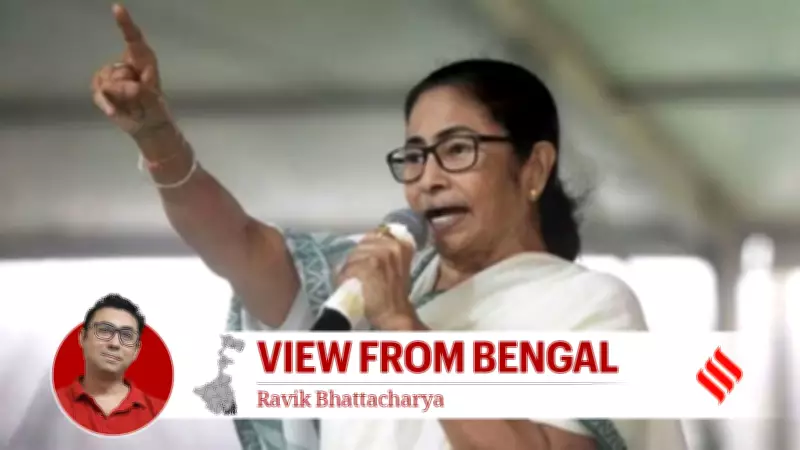
On February 4, Mamata Banerjee made a rare appearance in the Supreme Court to argue her case against the Special Intensive Revision (SIR). Though the state was represented by senior lawyers, Banerjee personally stood before a Bench headed by Chief Justice of India Surya Kant, turning the event into a political spectacle. The Trinamool Congress (TMC) amplified this with an online blitz, posting edited photos of her with the Supreme Court backdrop, drawing national media attention and social media reels labelling her a Royal Bengal tigress.
This courtroom drama is not new for Banerjee, who has long leveraged her street-fighter image to political advantage. In 2021, amid corruption allegations and desertions, her rallies with a bandaged leg bolstered her resilience, helping the TMC secure a comfortable victory. Similarly, in 2016, she navigated scandals like the Narada sting and Saradha scam. The anti-SIR push also aims to solidify her support among Muslims, countering discontent over issues like the OBC list row and her temple inaugurations, which seek to prevent BJP polarisation of Hindu votes.

Welfare Politics: Direct Benefit Transfers
Just a day after her Supreme Court appearance, Banerjee returned to Kolkata as her government presented an interim Budget focused on direct benefit transfers (DBT). Key announcements included a Rs 500 per month hike in the Lakshmir Bhandar scheme, now providing Rs 1,500 monthly to women from Scheduled Castes and Scheduled Tribes. Launched before the 2021 elections, this scheme has benefited 2.2 crore women, including 29 lakh SC and 4.78 lakh Adivasi women, mirroring successful BJP schemes in states like Madhya Pradesh.
Additionally, the government increased monthly salaries for ASHA and Anganwadi workers by Rs 1,000, raising their pay to Rs 5,500. A new unemployment allowance of Rs 1,500 per month was announced for youth aged 21-40, valid for five years or until employment. However, these increases came at the expense of allocations for mid-day meals, scholarships, public health, school education, and self-help groups, sparking criticism.
Financial Scrutiny and Opposition Criticism
Despite the welfare push, the Mamata government faces intense scrutiny over its finances. The state is cash-strapped and reliant on loans, with critics arguing that its policies harm the Bengal economy. Pressures include paying 25% of pending Dearness Allowance dues by March 31 per a Supreme Court directive and unpaid dues to contractors, delaying basic civic work like road repairs.
The BJP has lambasted the interim Budget as a shopping list of election bribes with legally impossible promises, and dismissed Banerjee's court appearance as a gimmick. Yet, selling this narrative to voters remains a challenge, as Banerjee's blend of political optics and welfare schemes continues to resonate with key demographics.
As the election season intensifies, Mamata Banerjee's twin strategy of courtroom drama and cash transfers underscores her adeptness at navigating political turbulence while targeting core voter bases of Muslims and women, setting the stage for a fierce electoral battle in West Bengal.






