Mayawati Condemns 'Casteist Mindset' Behind UGC Equity Norms Opposition
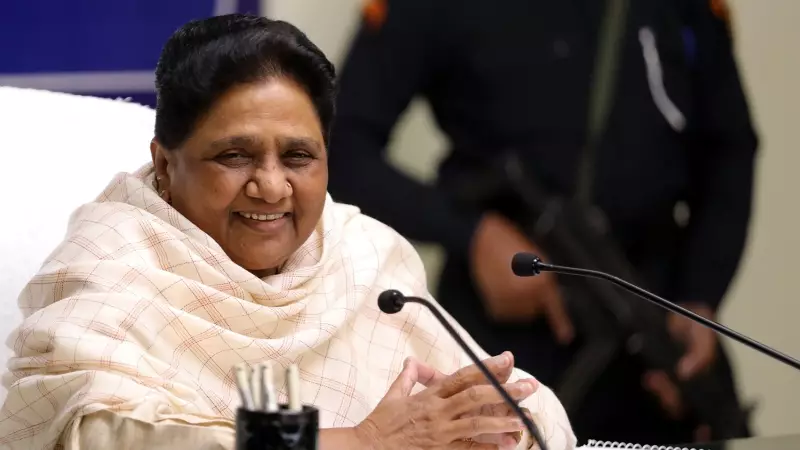
The Bahujan Samaj Party (BSP) supremo, Mayawati, has strongly defended the University Grants Commission's (UGC) newly introduced "equity regulations" for higher education institutions. In a statement issued on Wednesday, the former Uttar Pradesh Chief Minister asserted that the opposition to these rules by certain sections of the general category is driven by what she described as a "casteist mindset."
Defending Equity Regulations as Necessary for Social Justice
Mayawati emphasized that the UGC's equity regulations, which mandate the formation of 'equity committees' in higher educational institutions to address caste-based discrimination, are essential to curb discrimination and ensure social justice across the country's academic landscape. "The opposition being raised by some people from the general category, driven by a casteist mindset, against certain provisions of the new rules framed by the UGC to address caste-based discrimination in the country's higher education institutions is completely unjustified," she stated.
The BSP leader pointed out that these regulations replace the 2012 equity regulations of the commission and are designed to promote a more inclusive environment. However, she acknowledged that broader consultation could have helped avoid social tensions surrounding the implementation of these norms.

Call for Stakeholder Consultation and Sensitivity
In her remarks, Mayawati suggested that it would have been preferable if all stakeholders had been taken into confidence before rolling out the regulations. She urged governments and institutions to remain sensitive to such concerns while framing and enforcing policies. "It would have been better if all stakeholders had been taken into confidence before implementing the regulations," she said, adding that this approach could mitigate potential conflicts and foster greater acceptance.
Warning Against Divisive Politics and Misleading Leaders
Mayawati also issued a caution to Dalits and backward classes, advising them to remain vigilant against being misled by "self-serving and corrupt leaders" who, in her view, make inflammatory statements in the name of social justice. She appealed to these communities to not allow divisive politics to derail genuine efforts aimed at achieving equality and dignity in education.
"Divisive politics should not be allowed to derail genuine efforts aimed at equality and dignity in education," she emphasized, highlighting the need for unity and focus on substantive issues rather than rhetoric.
Context of Protests and Government Response
The UGC (Promotion of Equity in Higher Education Institutions) Regulations have sparked protests, primarily on social media and by some student groups. Critics argue that these rules could be misused to "harass" general category students and create "caste divisions." On Tuesday, a group of students protested outside the UGC office in Delhi, demanding the withdrawal of the regulations.
Key objections raised include the lack of provisions for penalties against "false complaints of discrimination" and the potential for institutions to face action for non-compliance. In response, Union Education Minister Dharmendra Pradhan stated on Tuesday that no one would be allowed to misuse the provisions and assured that "discrimination will not be allowed against anybody."
Mayawati's intervention adds a significant political dimension to the debate, underscoring the deep-seated issues of caste and equity in India's educational system. Her call for broader consultation and warning against divisive tactics reflect ongoing challenges in balancing social justice with inclusive policymaking.