In the remote, dense forests of Bastar, a shadowy figure once performed life-saving surgeries by torchlight, his skilled hands working perilously close to vital organs. For years, this man, known only as Dr Rafiq or Mandip, operated in secrecy, building a clandestine medical network for Maoist insurgents and tribal communities. Now, details of his remarkable journey are emerging through surrendered rebels and security officials.
The Making of a Shadow Surgeon
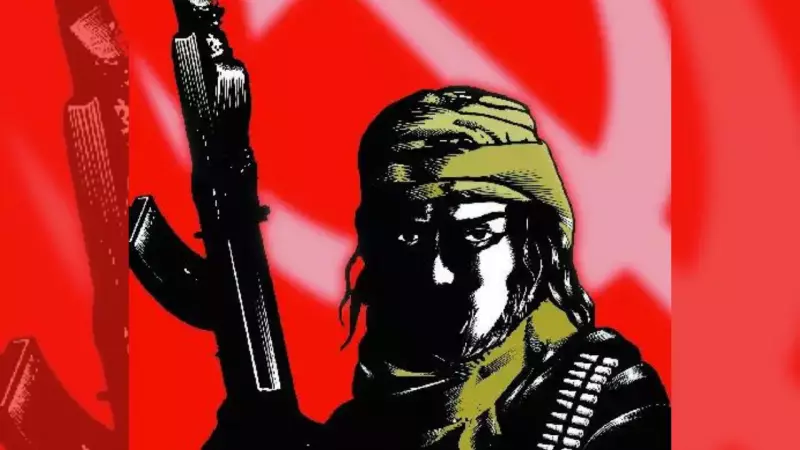
Dr Rafiq is revealed to be an MBBS graduate from Punjab who made the extraordinary decision to join the banned CPI (Maoist) movement. According to surrendered Maoist M Venkatraju, alias CNN Chandu, Rafiq was the sole formally trained doctor to ever join the insurgent group. He dedicated years to establishing and managing a comprehensive medical system across the sprawling Dandakaranya region in Chhattisgarh.
His duties were vast. He treated injured cadres and local Adivasis, conducted emergency surgeries with severely limited resources, and trained a cadre of paramedics. Perhaps his most lasting contribution was the documentation and standardization of medical procedures. He authored manuals that detailed treatment protocols for a range of critical issues prevalent in the forest, including bullet wounds, malaria, snakebites, gastroenteritis, and battlefield trauma.

"He trained locals and cadres in first aid, stitching sutures when a bullet hits, and how to remove the bullet," Chandu told sources. Rafiq operated primarily from Maad, the Maoist headquarters zone located in the impenetrable Abujhmarh forests, where he was reportedly "revered as a god by locals."
A Parallel Healthcare System Born from Necessity
In forest villages utterly cut off from the formal public health infrastructure, Dr Rafiq became the primary source of medical care. People traveled great distances to seek his help for everything from common fevers to severe trauma. Under his guidance, each Maoist dalam (squad) was equipped with at least one trained medical aide. This system ensured medical continuity even after Rafiq himself moved from Dandakaranya to Jharkhand in 2016, where intelligence officials state he remains at large.
His work uniquely blended modern medicine with traditional knowledge. He meticulously documented herbal remedies passed down through generations by Adivasi vaddes or pujaris and incorporated this wisdom into the Maoist medical manuals. This created a pragmatic fusion of ancient and contemporary practice. Chandu explained the challenge of convincing tribal communities, stating, "People believed illness meant God was angry. We told them even if they do puja, they should also take medicine." The resulting guides advocated a coexistence of prayer and pills.
The Elusive Trail of the Mystery Doctor
While security forces focused on tracking weapons and militant movements, Rafiq quietly focused on building medical capacity, creating a parallel health network shaped by conflict, geography, and sheer necessity. He first appeared on the police radar in 2013 through confessions of arrested cadres, who described a "mystery doctor" leading Dandakaranya's medical wing. Further intelligence in 2018 mentioned "Rinki, wife of MBBS Dr Rafiq," who allegedly treated senior Maoist commander Prashant Bose.
Despite a recent increase in Maoist surrenders, which have shed more light on his activities, the physical trail of Dr Rafiq remains elusive. His story is a stark testament to the complex realities of conflict zones, where a qualified doctor, driven by ideology or circumstance, can become a legendary, almost mythical figure by filling a desperate vacuum in human welfare, all while remaining a fugitive from the state.