The central government has initiated a significant move to replace the flagship Mahatma Gandhi National Rural Employment Guarantee Act (MGNREGA) with a new rural job guarantee scheme. This decision, announced on December 22, 2025, is being perceived by the Opposition, particularly the Congress party, as a strategic rebranding effort aimed at blunting their political attacks.
From 'Monument of Failure' to a New Identity
The context for this move is deeply political. The MGNREGA scheme, launched by the previous UPA government, has often been a point of contention. Prime Minister Narendra Modi had once famously referred to it as a "monument of failure" of the previous administration. However, the scheme's critical role in providing a social safety net, especially during economic distress like the COVID-19 pandemic, has been widely acknowledged.
The Centre's decision to now replace it with a renamed and potentially repackaged initiative is seen as a major shift in stance. The details of the new scheme's architecture are awaited, but the act of renaming itself has ignited a fierce political debate.

Congress Alleges a Systematic Pattern
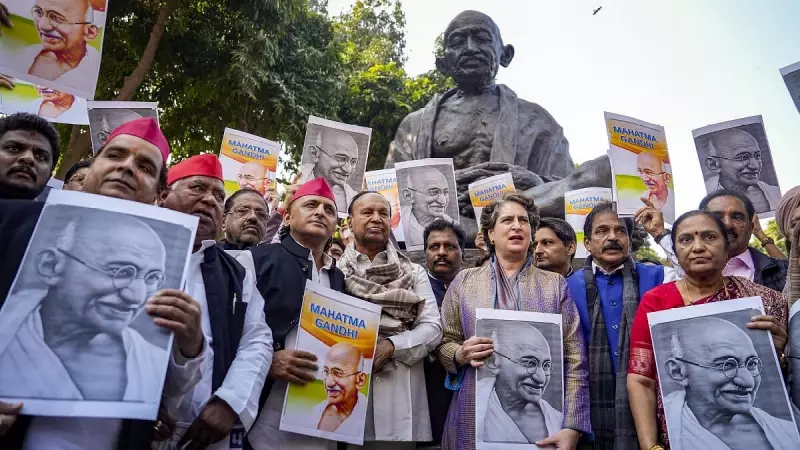
The principal opposition party, the Congress, has been quick to condemn the move. They argue that this is not an isolated incident but part of a broader pattern observed since the Modi government came to power. The party alleges that the ruling dispensation has systematically renamed or rebranded several schemes launched by previous governments to present them as their own original initiatives.
Congress spokespersons have pointed to other schemes in the past that underwent name changes, arguing that this strategy is used to distance the current government from the legacy of its predecessors and claim exclusive credit for popular welfare measures. They see the MGNREGA rebranding as the latest chapter in this playbook, designed to neutralize one of their key political narratives against the Centre.
Political Implications and the Road Ahead
The implications of this decision are multifaceted. On the ground, the core objective of guaranteeing 100 days of wage employment per year to rural households remains a critical need. Any disruption or change in the implementation mechanism could have direct consequences for millions of beneficiaries.
Politically, it sets the stage for a fresh confrontation in Parliament and on the campaign trail. The Opposition is likely to frame this as an admission of the scheme's success and an attempt at plagiarism, while the government will position it as a necessary reform and upgrade to a dated law. The move, reported by Shemin Joy, will undoubtedly become a focal point in the ongoing tussle between the ruling party and the opposition, especially as both sides gear up for future electoral battles.
The success of this rebranding will ultimately depend on the substantive changes the new scheme brings. If it merely offers a new name with similar features, the political attack may persist. However, a significantly improved or expanded program could alter the narrative. For now, the renaming of MGNREGA has successfully shifted the discourse, forcing a debate on political credit and legacy rather than just on the scheme's past shortcomings.