

Rahul Gandhi's Reading of Unpublished Military Memoir Sparks National Security Debate
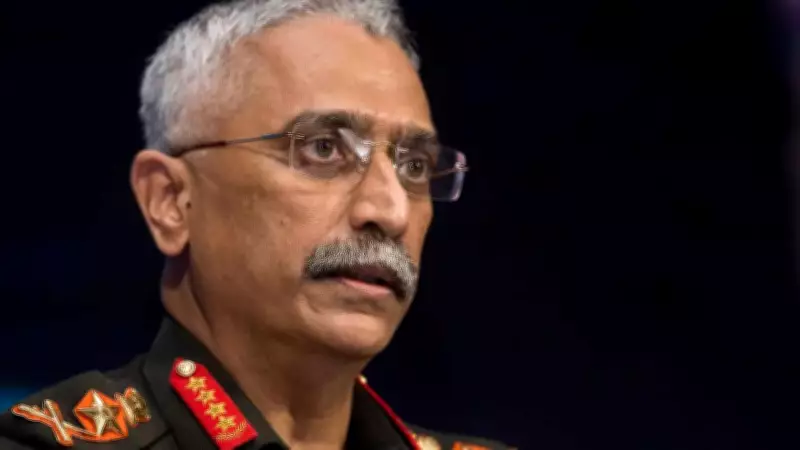
Leader of Opposition Rahul Gandhi's recent insistence on reading purported extracts from the yet-to-be-published book of former Army Chief General Manoj Mukund Naravane has ignited a significant discussion about the regulations governing retired military officials and their ability to disclose sensitive information. This incident has brought renewed attention to the strict protocols that prevent senior defense personnel from revealing classified details or crucial leadership decisions even after their retirement.
Stringent Regulations Governing Military Publications
Senior military officials, particularly those who have handled classified information during their service, remain bound by regulations under the Official Secrets Act that restrict the publication of books or dissemination of sensitive material even after retirement. These measures are designed to prevent classified information from becoming public and potentially compromising national security interests.
While there exists a general one-year "cooling-off" period for retired military personnel before they can take up commercial or private employment, the regulations concerning publication of potentially sensitive content are far more stringent. According to established protocols, retired officials must obtain prior government clearance before publishing any material that might contain classified information or details about crucial military decisions.

The Controversial Unpublished Memoir
The book in question, titled "Four Stars of Destiny," is a memoir by General Naravane, who served as Army Chief from December 31, 2019, to April 30, 2022. The publication remains unpublished due to pending clearance from the defense ministry regarding sensitive details it reportedly contains about two significant events:
- The 2020 Line of Actual Control (LAC) standoff with China
- The implementation of the Agnipath military recruitment scheme
The memoir was originally slated to hit the stands in January 2024, but both the Army and the defense ministry intervened, asking the publisher to delay publication until they had thoroughly reviewed its contents. There has been no official word from the publisher, the author, or the ministry regarding the current status of the book or when it might receive clearance for publication.
Potential Consequences for Violations
If the established rules and regulations are violated, the government possesses legal authority to take appropriate action. Such violations could potentially lead to:
- Legal proceedings against the retired official
- Withholding of part or all of the pension of the military official concerned, as per CCS (Pension) Rules
- Other administrative penalties as deemed necessary
Security experts have expressed concerns that if the memoir is published without proper vetting, it could potentially "flare up" the already delicate LAC situation with China, creating diplomatic and military complications.
Background: The 2020 LAC Standoff
The 2020 LAC standoff represents one of the most significant military confrontations between India and China in recent decades. During May-June 2020, Indian and Chinese troops engaged in violent face-offs along the LAC in eastern Ladakh and Sikkim. The most notable incident occurred on June 15, 2020, during the clash in Galwan Valley that resulted in the tragic death of 20 Indian soldiers.
There were also casualties on the Chinese side, though exact numbers remain undisclosed. This confrontation marked the deadliest border incident between the two nations in decades, leading to major troop escalations and heightened military tensions along the disputed border.
Under General Naravane's command during this critical period, India and China held a series of ground-level talks that eventually led to "disengagement" in a phased manner from the stand-off areas. As of today, the situation along the LAC is characterized by a "thaw" following a series of disengagement agreements, yet high-level military forward deployment from both sides persists, maintaining a delicate balance in the region.

The ongoing debate surrounding military memoirs and classified information disclosure highlights the complex balance between transparency, historical documentation, and national security imperatives in democratic societies.





