Mirwaiz Umar Farooq Highlights 'Sensitive and Testing Period' for Muslims in India
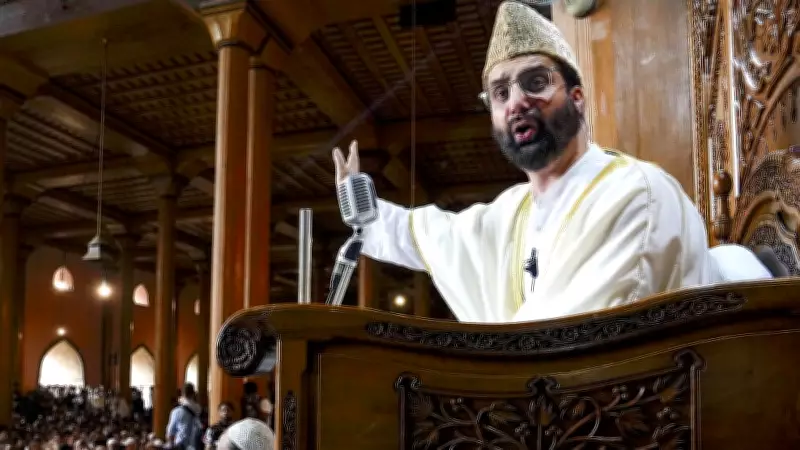
In a significant statement, Mirwaiz Umar Farooq, a prominent religious leader from Jammu and Kashmir, has voiced serious concerns regarding the current situation faced by Muslims across India. He described this phase as a "sensitive and testing period" for the community, emphasizing growing anxieties over religious freedoms and institutional practices.
Profiling of Mosques Sparks Outcry
The Mirwaiz specifically addressed the issue of mosque profiling, which has reportedly been occurring in various parts of the country. He termed this practice an "unwarranted interference in religious matters," arguing that it undermines the sanctity and autonomy of places of worship. According to his remarks, such actions not only violate constitutional protections but also foster a climate of fear and distrust among Muslim citizens.
This development comes amid broader discussions on religious rights and security measures in India. The Mirwaiz's comments highlight a perceived escalation in scrutiny targeting Islamic institutions, which he believes could have far-reaching implications for communal harmony and social cohesion.

Context and Implications
While the statement did not specify exact incidents or locations, it reflects ongoing tensions in regions like Jammu and Kashmir, where religious and political dynamics are often intertwined. The Mirwaiz, known for his influential role in the region, has historically advocated for peace and dialogue, making his warnings particularly noteworthy.
The timing of this announcement, dated February 15, 2026, suggests it addresses recent events or policies that have raised alarms within the Muslim community. Experts note that such profiling, if widespread, could lead to increased polarization and challenges in maintaining India's pluralistic fabric.
Reactions and Future Outlook
Responses to the Mirwaiz's statement are likely to vary, with some groups supporting his call for restraint and others defending profiling as necessary for security purposes. The issue touches on delicate balances between national security concerns and individual religious freedoms, a topic that has sparked debates nationwide.
Looking ahead, the Mirwaiz's remarks may prompt further discussions among policymakers, religious leaders, and civil society. They underscore the need for transparent and respectful approaches to handling religious matters, ensuring that all communities feel secure and respected under the law.