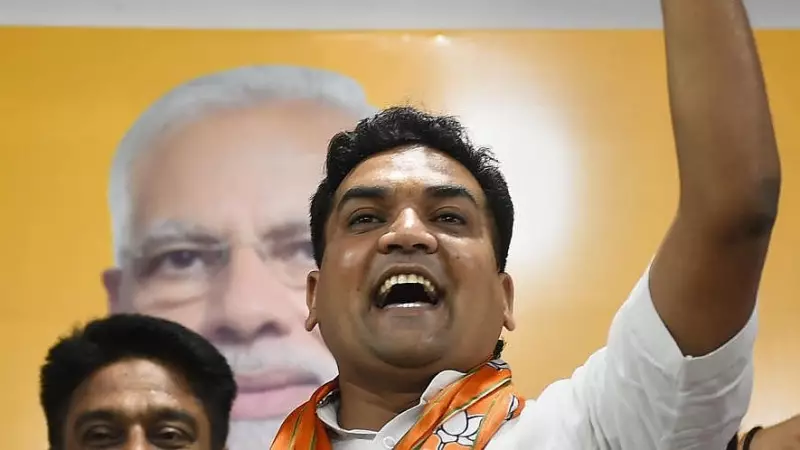
A fresh political storm has erupted over alleged slogans raised against Prime Minister Narendra Modi at Jawaharlal Nehru University (JNU), with BJP leader Kapil Mishra using a stark and provocative analogy to condemn the incident. Mishra claimed the sloganeering was akin to "snakes being crushed and snakelets screaming," intensifying the already heated debate around campus politics and national sentiment.
Mishra's Provocative Statement and Sood's Conspiracy Charge
Kapil Mishra, a prominent Bharatiya Janata Party figure from Delhi, made the controversial remarks while addressing the media on Tuesday, January 6, 2026. His comments were a direct response to reports of anti-Modi chants being voiced within the university premises. The graphic metaphor aimed to portray the act as a desperate, venomous reaction to what he implied was the decisive action of the government and its leadership.
Adding another layer to the controversy, Delhi's Education Minister, Ashish Sood, weighed in with a serious allegation. Minister Sood stated that certain political leaders and parties are openly supporting individuals accused in serious cases. He framed this support not as isolated political patronage but as a component of a "larger conspiracy to undermine peace" in the nation. While not naming JNU specifically in the quoted statement, his comments were widely interpreted in the context of the ongoing row.

The Broader Political Context and Reactions
The incident at JNU and the subsequent statements from political leaders have reignited long-standing debates about freedom of expression, nationalism, and the role of educational institutions in political discourse. JNU has frequently been at the epicenter of such political and ideological battles. Mishra's inflammatory language is seen as a strategy to galvanize the BJP's support base by framing opposition voices as anti-national and dangerous.
Conversely, critics argue that such rhetoric stifles democratic dissent and unfairly taints student activism. The allegation of a "larger conspiracy" by a sitting minister elevates the incident from a campus issue to a matter of national security and political intrigue, potentially justifying stricter scrutiny or action against the involved groups.
Implications and the Road Ahead
This episode underscores the deeply polarized political climate in the capital, where university campuses often become symbolic battlegrounds. The use of charged language by figures like Kapil Mishra ensures the issue remains in the headlines, influencing public opinion and political narratives. The claims made by Education Minister Ashish Sood further institutionalize the perception of a coordinated threat, which could influence policy and administrative decisions regarding university governance and student conduct.
As the political discourse continues, the focus will likely remain on how different parties leverage this incident. The BJP and its allies are expected to use it to consolidate a law-and-order and nationalist image, while opposition parties may frame it as an overreach and an attempt to suppress criticism. The developments on January 6, 2026, have set the stage for another protracted political confrontation centered on India's premier educational institutions.