

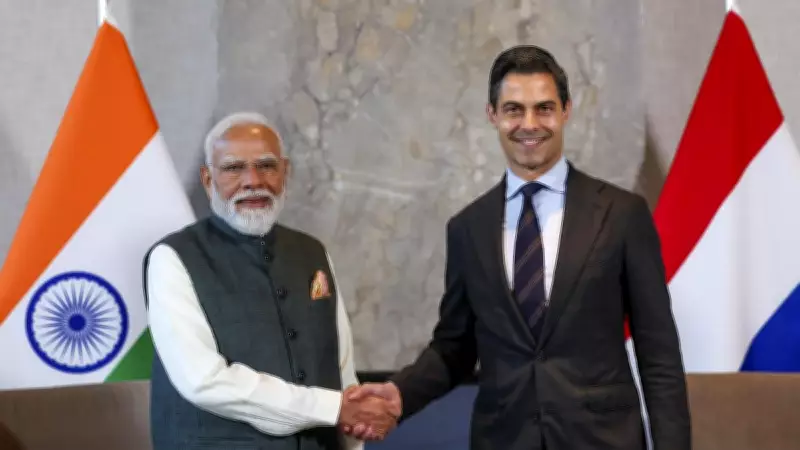
The Modi government has often invoked India's ancient civilisation and cultural heritage as a cornerstone of its political narrative. However, critics argue that this civilisational rhetoric stands in stark contrast to the government's approach to democratic norms and institutions. The disconnect between the two has become increasingly apparent, raising questions about the alignment of the government's vision with the principles of democracy.
The Civilisational Narrative
Prime Minister Narendra Modi and his administration have frequently highlighted India's rich history, from the Indus Valley civilisation to the Vedic period, as a source of national pride and identity. This narrative is central to the government's cultural nationalism, which seeks to promote Hindu traditions and values. Initiatives such as the renovation of the Kashi Vishwanath corridor and the celebration of events like International Yoga Day are examples of this focus.
Democratic Concerns
Despite this emphasis on heritage, there is growing unease about the state of democracy in India under the current government. Critics point to the erosion of institutional independence, including the judiciary and the Election Commission, as well as increased intolerance towards dissent. The use of sedition laws against activists, journalists, and students has been a particular point of contention. Furthermore, the government's handling of the COVID-19 pandemic, the farmers' protests, and the Citizenship Amendment Act have drawn criticism for undermining democratic processes.

The Disconnect
The juxtaposition of a grand civilisational narrative with a perceived democratic deficit creates a paradox. While the government projects India as a global leader rooted in ancient wisdom, its domestic actions often appear to contradict democratic ideals. This disconnect is not lost on observers, both within India and internationally. The silence on democratic issues, such as press freedom and minority rights, stands in stark contrast to the loud celebration of India's cultural past.
Implications
This dichotomy has implications for India's image abroad. As the country seeks to position itself as a major global power, the gap between rhetoric and reality could undermine its soft power. Domestically, it risks alienating sections of the population who feel excluded from the government's vision. The challenge for the Modi government is to reconcile its civilisational pride with a commitment to democratic values, ensuring that the two are not seen as mutually exclusive.
In conclusion, the Modi government's civilisational rhetoric and its democratic silence are indeed not in sync. Addressing this disconnect will require a more inclusive approach that respects both India's heritage and its democratic foundations.






