

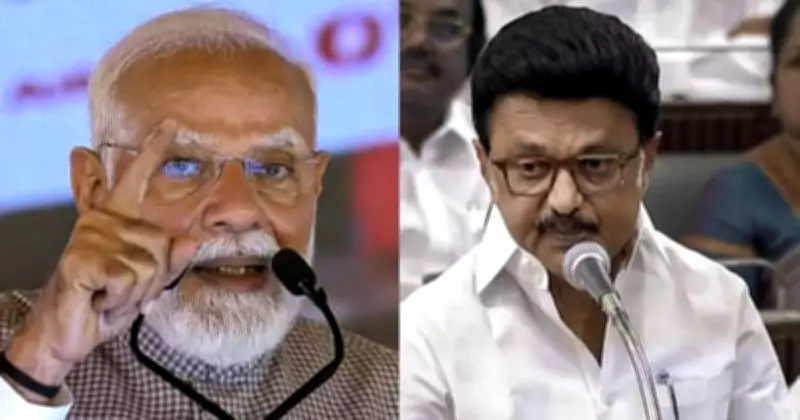
India Confronts West Asia Crisis with Full Strength: PM Modi
Prime Minister Narendra Modi has emphatically stated that India is confronting the ongoing crisis in West Asia with its full strength and diplomatic resolve. In a significant address, Modi highlighted the nation's strategic approach to navigating the complex geopolitical tensions in the region, underscoring India's commitment to stability and peace. This declaration comes amid escalating conflicts that have drawn global attention, with India positioning itself as a key player in international diplomacy.
The Prime Minister's remarks reflect a proactive foreign policy stance, emphasizing India's growing influence on the world stage. He assured that the government is leveraging all available resources and partnerships to address the crisis effectively, ensuring the safety and interests of Indian citizens abroad. Analysts note that this move aligns with India's broader efforts to enhance its role in global affairs, particularly in volatile regions like West Asia.
DMK Releases Candidate List; Stalin Renominated from Kolathur
In a parallel political development, the Dravida Munnetra Kazhagam (DMK) has officially released its candidate list for the upcoming elections. Party chief M.K. Stalin has been renominated from the Kolathur constituency, a stronghold where he has previously secured victories. This announcement marks a crucial step in the DMK's electoral strategy, as the party prepares to contest key seats across Tamil Nadu.

The candidate list includes a mix of experienced leaders and fresh faces, aiming to bolster the party's prospects in the polls. Stalin's renomination from Kolathur is seen as a strategic move to maintain his influence and connect with the local electorate. Political observers suggest that this decision could reinforce the DMK's position in the state, especially given Stalin's popularity and track record in the region.
As the election season heats up, these developments highlight the dynamic interplay between national and state-level politics in India. The government's assertive stance on international crises, coupled with major party maneuvers, sets the stage for a politically charged period ahead.






