

PM Modi Condemns Congress for Opposing Women's Reservation Bill
Prime Minister Narendra Modi has launched a sharp criticism against the Congress party, accusing it of being anti-women following the defeat of the Women's Reservation Bill in Parliament. The bill, which aimed to reserve seats for women in legislative bodies, faced opposition from several parties, with the Congress being a key player in its failure.
Political Fallout Over Gender Equality Legislation
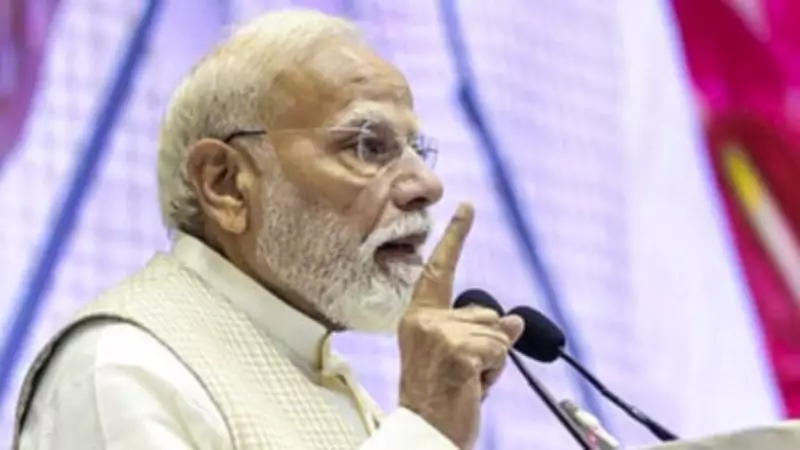
The Women's Reservation Bill, a long-pending proposal to enhance female representation in politics, was voted down in a recent parliamentary session. Modi, in a public address, slammed the Congress for its role in this outcome, stating that the party's actions reveal a disregard for women's empowerment. He emphasized that the bill's defeat undermines efforts to promote gender equality in Indian governance.
This incident has ignited a heated political debate, with supporters of the bill arguing that it is crucial for addressing the underrepresentation of women in decision-making roles. Critics, including some opposition members, have raised concerns about the bill's implementation and potential impacts on existing political structures.

Congress Responds to Allegations
In response to Modi's accusations, Congress leaders have defended their stance, claiming that their opposition was based on procedural and substantive issues rather than an anti-women agenda. They argue that the bill needed amendments to ensure fair representation across different social groups and regions.
The controversy highlights the ongoing tensions between the ruling Bharatiya Janata Party (BJP) and the Congress over social and legislative matters. Analysts suggest that this issue could influence upcoming elections, as both parties seek to appeal to women voters, who constitute a significant demographic in India.
Broader Implications for Women's Rights in India
The defeat of the Women's Reservation Bill raises questions about the future of gender-based legislation in India. Advocates for women's rights express disappointment, noting that similar bills have faced obstacles in the past, delaying progress toward greater political inclusion for women.
Modi's remarks have drawn attention to the broader struggle for gender equality in the country, with many calling for renewed efforts to pass such legislation. The debate underscores the complex interplay between politics, social justice, and legislative processes in India's democratic framework.
As the political discourse continues, the focus remains on how parties will address women's issues moving forward, with potential implications for policy-making and electoral strategies.






