

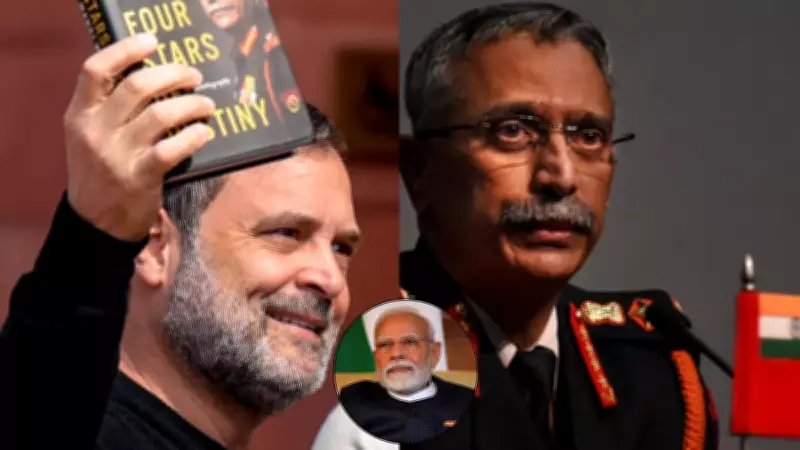
Modi's Ambiguity and Nehru's Clarity: A Study in Leadership During Chinese Aggression
In the complex landscape of India's foreign policy and national security, the responses to Chinese aggression have varied significantly under different leaderships. A critical examination reveals stark contrasts between Prime Minister Narendra Modi's approach and that of India's first Prime Minister, Jawaharlal Nehru. This analysis delves into how Nehru maintained civilian authority with clarity even in moments of defeat, while Modi has often blurred lines of responsibility during crises.
Nehru's Unwavering Civilian Authority in the Face of Defeat
Jawaharlal Nehru's tenure as Prime Minister was marked by the 1962 Sino-Indian War, a conflict that resulted in a military setback for India. Despite this defeat, historical records and expert analyses consistently highlight Nehru's firm assertion of civilian control over military and diplomatic matters. He took public responsibility for the government's decisions, articulating a clear narrative to the nation about the challenges and strategies involved.
Nehru's leadership style emphasized transparency and accountability, with his speeches and parliamentary addresses providing detailed explanations of the geopolitical dynamics with China. He did not shy away from acknowledging shortcomings, yet he maintained a coherent policy framework that prioritized India's sovereignty and democratic values. This clarity helped in mobilizing national unity and setting a precedent for civilian supremacy in defense and foreign affairs.

Modi's Ambiguous Stance and Blurred Responsibility in Crisis
In contrast, Prime Minister Narendra Modi's handling of recent Chinese incursions, such as those in Ladakh in 2020, has been characterized by ambiguity and a lack of clear accountability. Observers note that Modi's public statements often downplayed the severity of the situation initially, creating confusion about the government's stance and the actual ground realities.
For instance, after the Galwan Valley clash, Modi's remarks were interpreted by some as minimizing the crisis, which led to debates over who was responsible for the strategic decisions and their outcomes. This ambiguity has extended to the blurring of lines between civilian and military authority, with critics arguing that it undermines democratic norms and hampers effective crisis management.
Comparative Analysis of Leadership Approaches
The differences between Nehru and Modi can be summarized in key areas:
- Communication Style: Nehru provided detailed, transparent updates to the public, while Modi's communications have often been vague or delayed.
- Accountability: Nehru accepted responsibility for failures, whereas Modi's government has been criticized for deflecting blame or avoiding direct answers.
- Civilian-Military Relations: Nehru upheld civilian control explicitly, while Modi's tenure has seen instances where military and political narratives appeared misaligned.
- Policy Consistency: Nehru's policies towards China were part of a broader, articulated vision, in contrast to Modi's more reactive and sometimes inconsistent approach.
Implications for India's National Security and Democracy
This comparison raises important questions about leadership in times of national crisis. Nehru's clarity fostered a sense of trust and institutional strength, even in defeat, by reinforcing the role of elected civilians in security matters. On the other hand, Modi's ambiguity may risk eroding public confidence and creating operational challenges for India's defense and diplomatic efforts.
Experts suggest that clear, accountable leadership is crucial for navigating complex threats like Chinese aggression. As India continues to face border tensions, the lessons from these two eras highlight the need for a balanced approach that combines strategic resolve with transparent governance.

In conclusion, while both leaders faced significant challenges from China, their methods diverged sharply. Nehru's legacy of clarity and civilian authority stands in contrast to Modi's more ambiguous stance, offering valuable insights for current and future policymakers in managing crises and upholding democratic principles.





