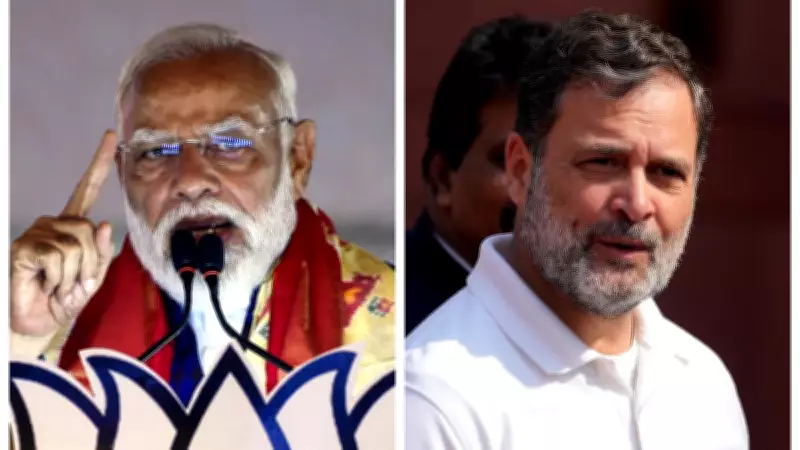
Prime Minister Narendra Modi's recent appeals to the public for voluntary austerity measures have sparked sharp criticism from opposition leaders, who view them as evidence of economic mismanagement after 12 years in power.
Rahul Gandhi's Criticism
Congress leader Rahul Gandhi took to social media to condemn the Prime Minister's directives, which included appeals to avoid buying gold, refrain from foreign travel, reduce petrol consumption, cut down on fertilizer and cooking oil use, travel by metro, and work from home. Gandhi stated, "These are not advice - these are proof of failure. In 12 years, the country has been brought to such a point that the public has to be told what to buy, what not to buy."
Demand for Parliamentary Discussion
Karti Chidambaram, a Member of Parliament from the Congress party, also reacted strongly to the Prime Minister's appeals. He described them as "very serious directives" and questioned the triggers behind them. Chidambaram demanded that the government convene Parliament immediately and take the nation into confidence about the true state of affairs that necessitated such appeals.

Context of the Appeals
The Prime Minister's appeals come amid rising global commodity prices and domestic inflationary pressures. However, opposition leaders argue that the government's policies over the past decade have weakened the economy, leaving citizens with no choice but to cut back on essential consumption.
Critics point to high unemployment, stagnant wages, and increased household debt as underlying factors that make such austerity measures painful for ordinary Indians. They contend that instead of asking citizens to sacrifice, the government should focus on boosting economic growth and creating jobs.
Government's Response
As of now, the Prime Minister's Office has not officially responded to the criticism. However, government spokespersons have defended the appeals as voluntary measures to promote self-reliance and reduce import dependence, particularly in the context of global supply chain disruptions.
The opposition's demand for a parliamentary session is seen as a move to force a debate on the economic situation and hold the government accountable for its policies.