

Motion to Remove Lok Sabha Speaker Om Birla Scheduled for March 9 Vote
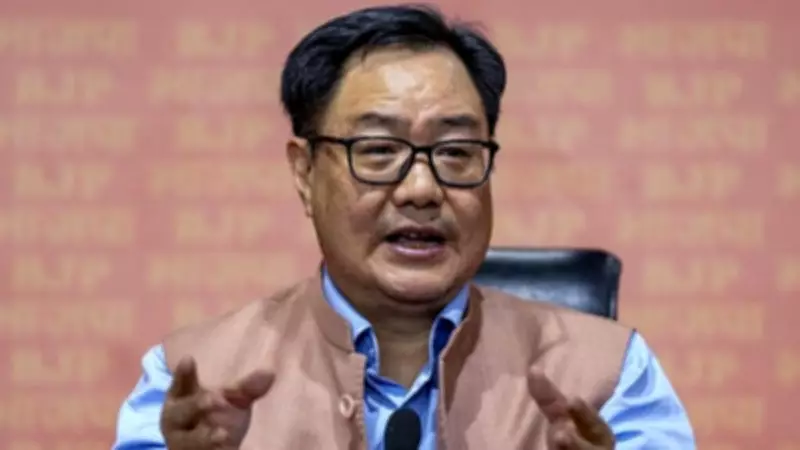
Parliamentary Affairs Minister Kiren Rijiju has officially announced that the debate and subsequent vote on the motion to remove Lok Sabha Speaker Om Birla will be taken up on March 9, 2026. This critical parliamentary procedure marks a significant development in the ongoing political dynamics within India's legislative framework.
Rijiju Issues Warning to Opposition Parties
In his statement, Minister Rijiju issued a stern warning to opposition parties, cautioning them against continuing their protests as witnessed during the first part of the parliamentary session. He emphasized that such disruptive behavior could ultimately prove detrimental to their own political interests and the functioning of democratic institutions.
The minister highlighted that parliamentary decorum and constructive dialogue are essential for addressing national issues effectively. His remarks come amid heightened tensions and frequent disruptions that have characterized recent sessions, raising concerns about legislative productivity.

Background and Implications of the Motion
The motion to remove Speaker Om Birla has been a focal point of political contention, reflecting broader disagreements between the ruling coalition and opposition blocs. Key aspects of this development include:
- The scheduling of the vote for March 9 sets a definitive timeline for resolving this matter.
- It underscores the procedural mechanisms available within parliamentary democracy to address leadership challenges.
- The outcome could influence the stability and operational efficiency of the Lok Sabha in the coming months.
Political analysts note that this motion is rare in Indian parliamentary history, making its handling and result particularly noteworthy for governance and political strategy.
Potential Consequences of Continued Protests
Rijiju's warning points to the broader impact of parliamentary disruptions on legislative outcomes and public perception. If opposition parties persist with protests, it may lead to:
- Delays in passing important bills and policies.
- Erosion of public trust in parliamentary processes.
- Strengthened public support for the government's stance on maintaining order.
This scenario emphasizes the delicate balance between political dissent and functional governance in a democracy. The minister's statement aims to encourage a more collaborative approach to parliamentary proceedings, especially as the nation faces pressing economic and social challenges.
As the date approaches, all eyes will be on the Lok Sabha to see how this pivotal vote unfolds and what it means for the future of Indian politics and legislative effectiveness.






