

MP Kumari Selja Advocates for IIT in Sirsa and Fatehabad to Boost Regional Development
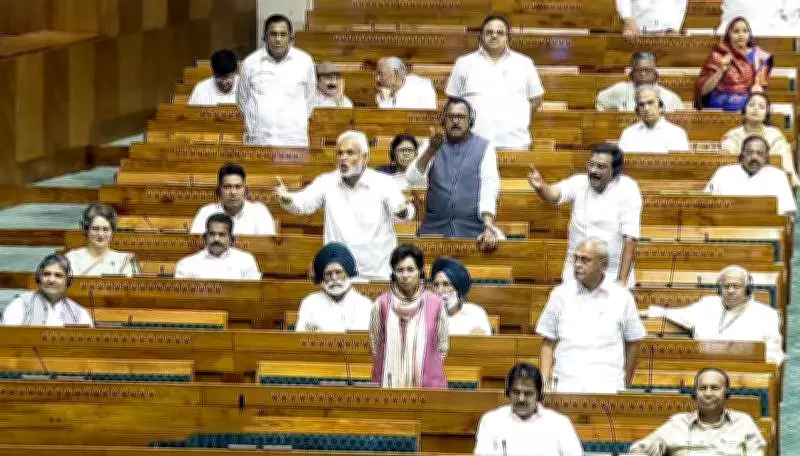
In a significant parliamentary move, Sirsa MP Kumari Selja on Tuesday urged the central government to prioritize the establishment of an Indian Institute of Technology (IIT) in educationally backward districts such as Sirsa and Fatehabad. During a session in the Lok Sabha, Selja emphasized that these districts have ample land available, making them ideal locations for such a premier institution.
Selja's Demand for Educational Equity
Kumari Selja posed a direct question to the government, inquiring whether there are any proposals to set up new IITs across the country. She specifically requested that priority be given to districts like Sirsa, Fatehabad, Hisar, and Jind, which are identified as educationally disadvantaged. Selja argued that establishing an IIT in these areas would not only provide better higher technical education opportunities for local youth but also catalyze overall regional development. She expressed concern that the government's response lacked clarity on this critical issue, urging for immediate action to address educational disparities.
Minister's Response on Existing Haryana Institutes
In reply, Minister of State Dr. Sukanta Majumdar provided details on the current educational landscape in Haryana. He noted that there are 23 operational IITs nationwide and highlighted several institutions of national importance already established in the state. These include the National Institute of Technology (NIT) in Kurukshetra, the Indian Institute of Information Technology (IIIT) in Sonipat, and the Central University of Haryana.

Additionally, Majumdar mentioned that an extension campus of IIT Delhi has been set up at the Rajiv Gandhi Education City in Sonipat. This campus serves as a hub for advanced research, innovation, and industry collaboration, aiming to enhance technical education in the region. However, Selja countered that these existing facilities do not adequately address the needs of backward districts like Sirsa and Fatehabad, where students still face limited access to top-tier technical education.
Broader Implications for Education and Development
The debate underscores a growing demand for equitable distribution of educational resources in India. By pushing for an IIT in Sirsa and Fatehabad, Selja highlights the importance of decentralizing premier institutions to foster inclusive growth. Such a move could potentially transform the socio-economic fabric of these districts, attracting investments and creating job opportunities. As the government evaluates this proposal, stakeholders await further developments that could shape the future of technical education in Haryana's underserved regions.






