Murshidabad Tops List with 16.7 Lakh Cases in Bengal SIR 2.0
In the ongoing second phase of the Special Intensive Revision (SIR) of electoral rolls in West Bengal, Murshidabad district has emerged as the leader in reported logical discrepancies, with a staggering 16.7 lakh cases. This development has sparked significant political debate and unrest, particularly in districts bordering Bangladesh.
Border Districts Show High Discrepancy Rates
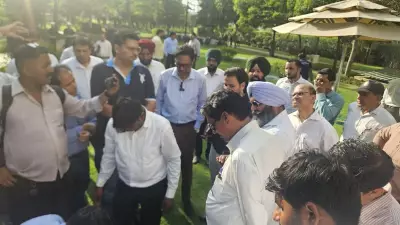
Districts such as North 24 Parganas, South 24 Parganas, Uttar Dinajpur, and Malda have all recorded elevated numbers of logical discrepancy cases. These areas have also been hotspots for violent protests, roadblocks, and vandalism during SIR hearings, highlighting the contentious nature of the electoral revision process.
Political Reactions and Accusations
The ruling Trinamool Congress (TMC) has targeted the Election Commission (EC) over these discrepancies, while the Bharatiya Janata Party (BJP) has claimed that the figures indicate a high presence of illegal infiltrators in the voters' list. This political tussle adds another layer of complexity to the electoral revision in West Bengal.

Categories of Logical Discrepancies
Officials have identified five main categories of logical discrepancies being scrutinized:
- Progeny 6: Individuals with more than six children.
- Father's name mismatch.
- Age difference with parent of 15 years or less.
- Age difference with parent of 50 years or more.
- Age difference with grandparent of 40 years or less.
People falling into any of these categories are being summoned for hearings to verify their details.
Detailed Breakdown by District
Data from the Chief Electoral Office in West Bengal reveals the extent of discrepancies across various districts:
- Murshidabad: 16,72,123 total cases, including 9,39,985 Progeny 6 cases and 6,03,797 father's name mismatches.
- South 24 Parganas: 14,87,048 cases, with 76,0982 Progeny 6 and 5,30,224 father's name mismatches.
- North 24 Parganas: 11,00,783 cases, including 4,99,756 Progeny 6 and 4,55,681 father's name mismatches.
- Malda: 8,67,054 cases, with 4,66,847 Progeny 6 and 3,14,015 father's name mismatches.
- Uttar Dinajpur: 6,98,140 cases, including 3,28,719 Progeny 6 and 2,09,936 father's name mismatches.
Other districts like Howrah and Birbhum also reported high numbers, with Howrah at 6,87,984 cases and Birbhum at 5,20,566 cases. Additional districts such as Purba Medinipur, Hooghly, and Paschim Medinipur have discrepancies ranging from 4 to 5 lakh cases, while others like Kalimpong and Jhargram show lower figures.
Implications and Ongoing Developments
The high incidence of logical discrepancies in border districts raises questions about electoral integrity and demographic patterns in West Bengal. As the SIR hearings continue, the political fallout and public protests are expected to intensify, making this a critical issue in the state's electoral landscape.