

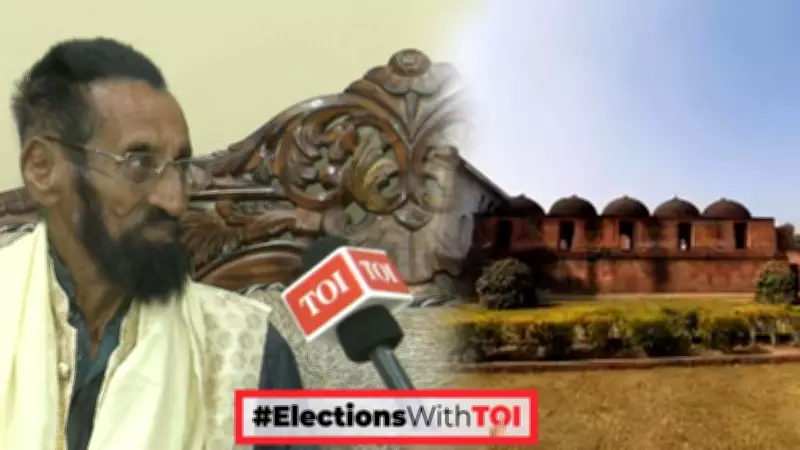
Murshidabad Voter List Controversy: Historic District Faces Electoral Turmoil
The historic city of Murshidabad, once the capital of Bengal and forever linked to pivotal moments like the Battle of Plassey and the legacy of Mir Jafar, has become the epicenter of a significant political storm. This controversy revolves around the Systematic Inclusion of Residents (SIR) voter list exercise, which has triggered widespread allegations of unauthorized deletions from electoral rolls.
Nawab Family's Allegations and Citizen Status Claims
Members of the distinguished nawab family, including Chhote Nawab Syed Reza Ali Meerza, have come forward with serious accusations. They assert that their names, along with those of numerous family members, have been inexplicably removed from the official voter lists. The family maintains their unequivocal status as Indian citizens and has formally approached relevant authorities seeking immediate redress and restoration of their voting rights.
Widespread Local Concerns Beyond the Palace
This issue extends far beyond the aristocratic households. Residents living in and around the iconic Hazarduari Palace and across various parts of Murshidabad district have echoed similar grievances. Many claim their names have been deleted despite possessing proper documentation and meeting all eligibility criteria. The scale of the problem appears substantial, with Murshidabad reportedly recording the highest number of deletions in the entire state of West Bengal.

Official data indicates that nearly 7.4 lakh names have been excluded from the electoral rolls in this district alone, raising serious questions about the integrity of the voter list revision process and its implementation.
Historical Backdrop Meets Contemporary Electoral Challenge
A detailed ground report traces this unfolding situation across Murshidabad's key historical landmarks, including Namak Haram Deorhi, Jafarganj Cemetery, Jagat Seth House, and Nashipur Rajbari. These sites, which have witnessed centuries of political and social transformation, now serve as the backdrop for a modern electoral controversy.
The region's complex history, marked by shifting power dynamics and colonial encounters, adds profound context to current concerns about democratic participation and representation.
Local communities, still shaped by historical legacies, find themselves navigating a contemporary issue that directly impacts their fundamental right to vote. The allegations have sparked debates about transparency in electoral processes and the protection of voting rights in historically significant regions.
As authorities investigate these claims, the situation in Murshidabad highlights the ongoing challenges in maintaining accurate voter lists and ensuring inclusive democratic exercises in India's diverse political landscape.






