

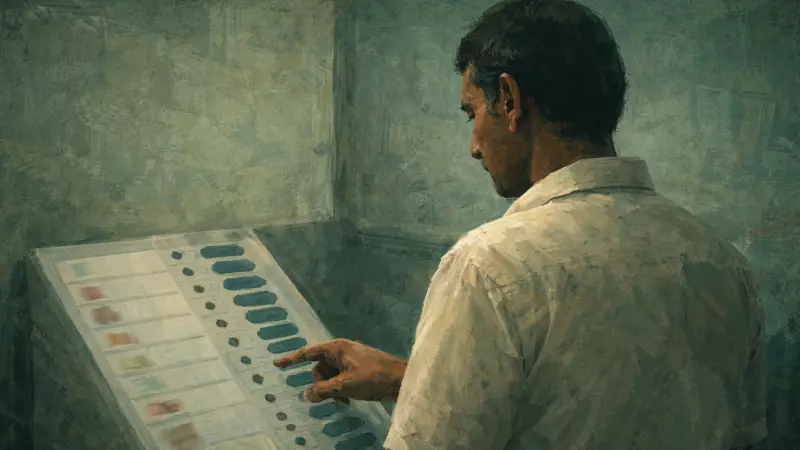
A Gradual Shift in Muslim Politics and What It Reveals
In recent years, Indian politics has witnessed a subtle yet significant transformation in the voting behavior and political engagement of the Muslim community. This gradual shift is reshaping electoral dynamics and offering new insights into the evolving landscape of democracy in the country.
From Traditional Allegiances to Pragmatic Choices
Historically, Muslim voters in India have often aligned with specific political parties based on communal identities and historical alliances. However, there is a growing trend towards more pragmatic and issue-based voting. This change reflects a broader desire for effective governance, economic development, and social justice, rather than mere symbolic representation.
Factors driving this shift include increased political awareness, the impact of social media, and a younger demographic that prioritizes tangible outcomes over ideological promises. As a result, Muslim voters are increasingly evaluating candidates and parties on their performance and policies, leading to a more diversified political support base.

Implications for Electoral Outcomes
This evolving pattern has profound implications for electoral outcomes across various states and at the national level. Political parties are now compelled to address the specific concerns of Muslim communities, such as education, employment, and security, to secure their votes. This has led to a more competitive political environment where no single party can take the Muslim vote for granted.
Moreover, the shift is contributing to a more inclusive political discourse, as parties strive to appeal to a wider electorate. It underscores the importance of coalition-building and cross-community alliances in achieving electoral success.
Challenges and Opportunities
Despite the positive aspects, this transition is not without challenges. Issues like polarization, discrimination, and underrepresentation continue to affect Muslim political participation. However, the gradual shift also presents opportunities for greater integration and empowerment within the democratic framework.
Key opportunities include:
- Enhanced Political Representation: As voting becomes more issue-based, there is potential for increased representation of Muslims in legislative bodies and decision-making roles.
- Policy Focus: Political parties may develop more targeted policies to address the socio-economic needs of Muslim communities, fostering development and equality.
- Democratic Strengthening: A more engaged and critical electorate can strengthen democratic institutions by promoting accountability and transparency.
What This Reveals About Indian Democracy
This shift in Muslim politics reveals the maturing nature of Indian democracy, where voters are moving beyond identity politics to demand substantive governance. It highlights the resilience of democratic processes in accommodating diverse voices and adapting to changing societal norms.
In conclusion, the gradual shift in Muslim politics is a testament to the dynamic and evolving character of Indian democracy. By embracing pragmatic voting and focusing on real-world issues, the Muslim community is playing a crucial role in shaping the future of political discourse and governance in India.






