

Nepal's Pivotal Election: A Litmus Test for Democracy After Historic Uprising
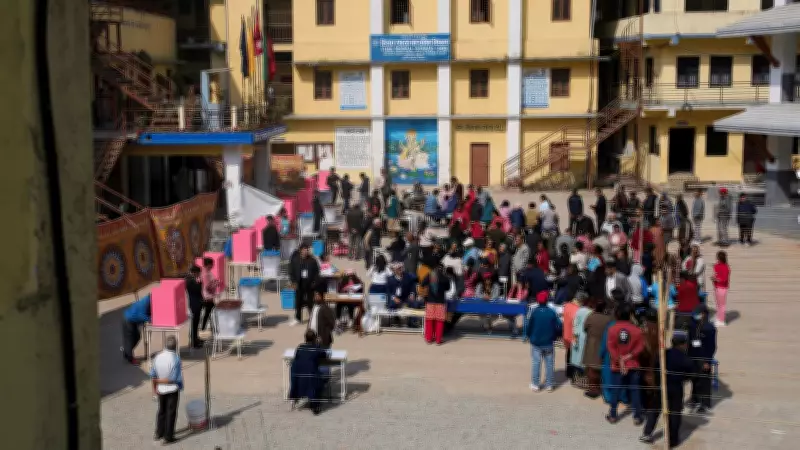
Nepal is preparing for a landmark national election, widely regarded as the most consequential political event since the conclusion of its devastating civil war in 2006. This electoral process represents the first major test of the nation's democratic institutions following the dramatic, youth-led uprising of September last year, which astonishingly toppled a sitting prime minister within a mere forty-eight hours.
The Shadow of the September Uprising
The seismic political shift occurred six months ago when massive, organized protests led primarily by the nation's youth forced the rapid resignation of the prime minister. This event highlighted deep public dissatisfaction with governance and sparked hopes for substantial political reform and greater accountability.
Elusive Accountability and Delayed Justice
However, as voters prepare to cast their ballots, critical questions about accountability remain unanswered. Two separate government commissions established to investigate the violent crackdown during the September protests have consistently delayed releasing their official findings to the public.

Furthermore, the judicial system has failed to secure any convictions related to the violence that erupted during the uprising. This lack of legal resolution has created an atmosphere of uncertainty and has led many citizens and analysts to question whether the election will catalyze genuine reform or represent a relapse into previous patterns of political impunity.
A Nation at a Crossroads
This election places Nepal at a significant democratic crossroads. The outcome will determine whether the energy and demands of the youth-led movement translate into tangible institutional changes or if the political establishment will reassert traditional control without addressing the core issues that sparked the uprising.
International observers and domestic stakeholders are closely monitoring whether this electoral process will strengthen Nepal's fragile democracy, enhance governmental transparency, and deliver on the promises of reform that emerged from last year's historic protests.






