

Israeli Prime Minister Benjamin Netanyahu Mocks Viral Death and Six-Finger Rumors
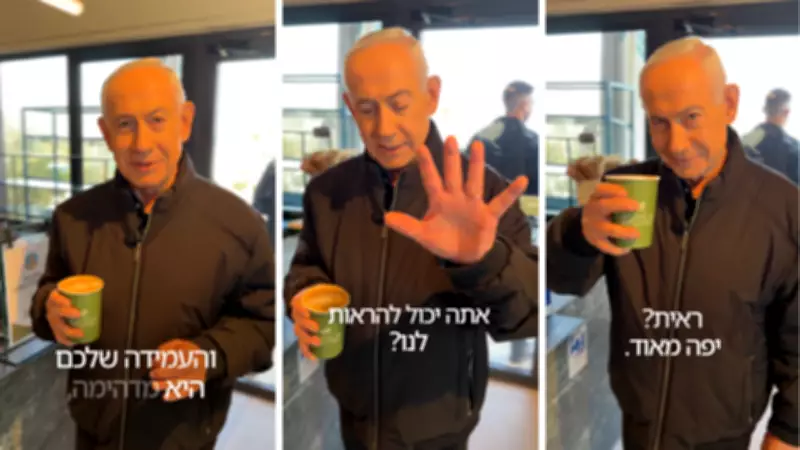
Israeli Prime Minister Benjamin Netanyahu has publicly ridiculed and debunked widespread social media rumors claiming his death and alleging he possesses six fingers. In a video posted to his official social media account, Netanyahu displayed both of his palms clearly showing five fingers each, directly refuting the bizarre "six fingers" allegation that had gained traction online.
"They Say I'm What?": Netanyahu's Direct Response
The video, captioned "They say I'm what?" features Netanyahu holding up his hands with a bemused expression, visibly demonstrating that he has the standard five fingers on each hand. This response comes amid a flurry of online misinformation circulating during the ongoing and intense conflict between Israel and Iran. The Israeli Prime Minister's office has categorically labeled these reports as completely false and fabricated.
When questioned by Anadolu News about posts alleging Netanyahu had been assassinated in retaliation for recent Israeli and American strikes on Iran, the office stated unequivocally, "These are fake news; the Prime Minister is fine." This official denial aims to quell the speculative narratives that often proliferate during periods of military escalation and geopolitical uncertainty.

Origin and Spread of the Misinformation
The rumors began circulating widely across various social media platforms as regional tensions reached a fever pitch. The speculation emerged following coordinated strikes by Israel and the United States on targets within Iran on February 28. These attacks reportedly resulted in significant casualties, including the death of Iran's then Supreme Leader, Ali Khamenei, and over 1,200 people.
The peculiar "six fingers" claim gained momentum after Netanyahu shared a video of a press conference addressing the trilateral conflict involving the United States, Israel, and Iran. Some vigilant social media users scrutinized the footage, particularly pointing to a moment around the 0:35 mark when the Prime Minister raises his hands.
These users argued that an apparent anomaly near his little finger resembled a "classic AI finger glitch," leading them to allege the entire video was artificially generated using advanced technology. This type of digital manipulation and deepfake content has become increasingly common, exploiting public anxiety during conflicts to spread disinformation.
The Broader Context of Conflict and Misinformation
This incident highlights a dangerous trend where unverified claims and outright falsehoods spread rapidly during international crises. Online misinformation often utilizes old footage, AI-generated visuals, or misleading narratives completely detached from actual events. The current Israel-Iran conflict has provided fertile ground for such deceptive content, aiming to influence public perception and sow confusion.
The regional tensions have escalated dramatically, with Iran threatening that "all oil and energy infrastructure will turn to ashes" following US strikes on Kharg Island. Former US President Donald Trump has urged nations to deploy warships to the Strait of Hormuz, emphasizing the need to "take care" as the conflict intensifies. Against this volatile backdrop, the spread of fake news about political leaders adds another layer of complexity to an already precarious situation.
Netanyahu's proactive approach in addressing these rumors directly through social media represents a modern strategy to combat misinformation at its source. By providing visual evidence and authoritative statements, he aims to cut through the noise of false narratives and reassure both domestic and international audiences about his wellbeing and the authenticity of official communications.






