

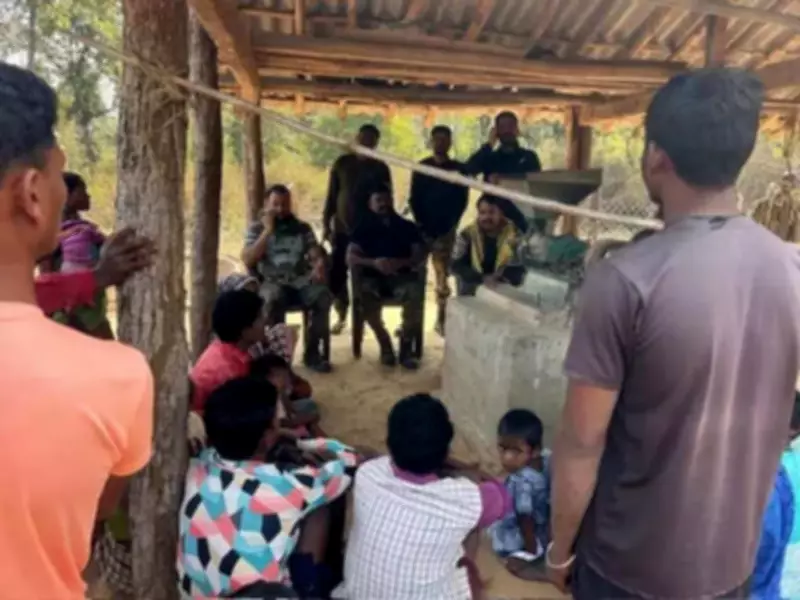
Chhattisgarh Launches Dual-Purpose Camp in Maoist-Hit Bijapur to Boost Security and Services
In a strategic move to expand welfare coverage to historically neglected regions plagued by Maoist insurgency, authorities in Chhattisgarh have established a new security-and-civic amenities camp at Pulsegundi village in Bijapur's Farsegarh area. The initiative, launched on February 9, aims to tighten the anti-Maoist grid while accelerating the delivery of essential services under the state's 'Niyad Nella Nar' plan, targeting last-mile connectivity in remote zones.
Joint Security Forces Deploy in Remote Terrain
According to a police statement, the camp in Pulsegundi—an interior, Maoist-affected pocket—was set up by a joint force comprising the District Reserve Guard (DRG), district police, and the Chhattisgarh Armed Force's 20th Battalion. Officials described this as part of a broader expansion of the security footprint in challenging remote areas, with Bijapur district alone establishing 35 new security camps since 2024. The operations faced significant hurdles, including difficult geographical conditions, inaccessible routes, and biting cold weather, as highlighted in the release.
Enhancing Connectivity and Curbing Maoist Activity
The camp is projected to strengthen connectivity along an emerging inter-state axis that links Bhopalpattanam–Farsegarh–Sendra and extends into Maharashtra's Gadchiroli district. Authorities also emphasized ongoing work on a bridge over the Indravati river, which will further connect Chhattisgarh and Maharashtra, facilitating smoother movement and trade. On the security front, the camp is expected to help curb inter-state Maoist activity and foster a sustained environment of peace and trust in the region.

Boosting Civic Amenities for Local Communities
Beyond security, the camp will serve as a hub for delivering critical civic amenities to nearby villages. Officials stated that it will improve access to:
- Healthcare services and medical facilities
- Education and schooling opportunities
- Electricity and reliable power supply
- Drinking water and sanitation resources
- The public distribution system (PDS) for food security
- Mobile network services for better communication
- Road-and-bridge infrastructure for enhanced mobility
This dual approach underscores the government's commitment to addressing both security threats and developmental gaps in Maoist-affected areas, aiming to integrate these regions into the mainstream through comprehensive welfare measures.






