

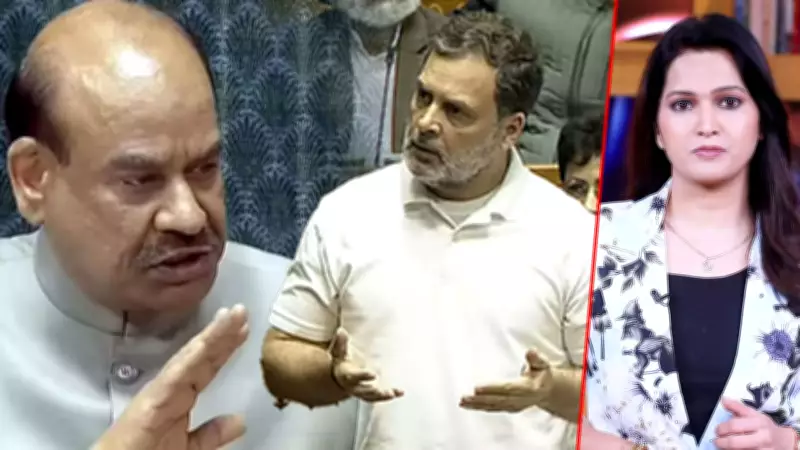
No-Confidence Motion Against Lok Sabha Speaker Om Birla: A Rare Parliamentary Procedure
The Congress party has initiated one of the most uncommon procedures in Indian parliamentary history by moving a no-confidence motion against Lok Sabha Speaker Om Birla. This action stems from allegations of partisan conduct during the recent Budget session, raising significant questions about the neutrality of the Chair.
Constitutional Framework and Procedural Hurdles
The process for removing a Speaker is explicitly outlined in the Constitution under Article 94(c). This provision establishes stringent requirements that make such a motion exceptionally difficult to pass. First, a formal notice must be submitted, adhering to strict drafting rules to ensure procedural validity.
More critically, the motion faces high numerical thresholds at every stage. It cannot even be admitted for discussion unless it garners support from at least 50 Members of Parliament. This initial hurdle alone filters out frivolous or poorly supported attempts.

The Numerical Challenge and Political Reality
For the motion to succeed, it must secure a majority of the total strength of the Lok Sabha, not merely a majority of those present and voting. With the ruling alliance holding a comfortable majority in the House, the opposition currently lacks the necessary numbers to achieve this outcome.
This numerical disadvantage makes the passage of the motion highly improbable under current political circumstances. However, the procedural attempt itself carries substantial symbolic and political weight.
Political Implications of a Failed Motion
Even if the no-confidence motion fails to pass, it serves as a formal mechanism for the opposition to record its dissent on the parliamentary record. By invoking this rare procedure, Congress aims to highlight concerns about the Speaker's impartiality and potentially influence public perception.
Such motions can spark broader debates about parliamentary norms, the role of the Speaker, and the functioning of democratic institutions. They represent a constitutional tool for holding the Chair accountable, regardless of the immediate numerical outcome.
Historical Context and Rarity
No-confidence motions against Speakers are among the rarest parliamentary events in India's democratic history. The current attempt against Speaker Om Birla marks a significant moment that could set precedents for future parliamentary conduct and opposition strategies.
The motion's progression through various procedural stages will be closely watched by political analysts, constitutional experts, and the public alike, as it tests the resilience of parliamentary democracy's checks and balances.






