

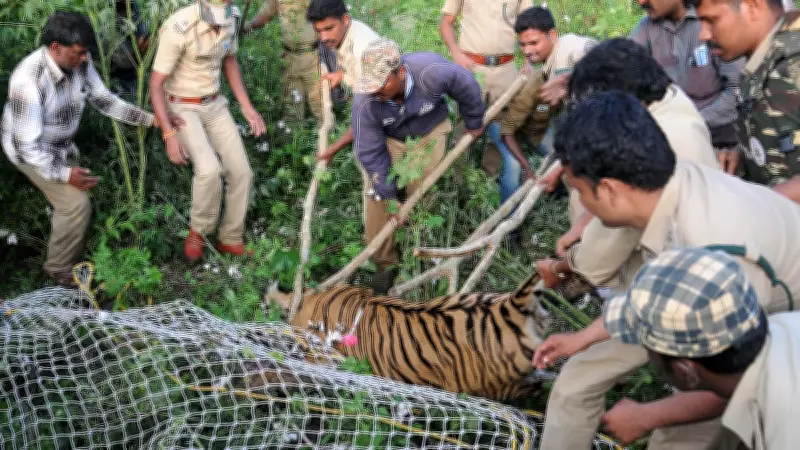
NTCA Sounds Alarm Over Excessive Tiger Captures in Karnataka's Premier Reserves
The National Tiger Conservation Authority (NTCA) has formally raised significant concerns regarding the unusually high frequency of tiger captures occurring within Karnataka's renowned Bandipur and Nagarahole Tiger Reserves. This development follows extensive internal discussions within the NTCA and mounting attention from various conservation stakeholders across the nation.
Official Communication Seeks Immediate Clarification
In a decisive move, NTCA Inspector General of Forests, Shivakumar C M, issued an official letter dated January 27, 2026, directly addressing the Chief Wildlife Warden of Karnataka. The correspondence explicitly references the ongoing deliberations within the NTCA's highest echelons and the considerable scrutiny the matter has attracted from environmental groups, researchers, and wildlife advocates. The primary objective of this communication is to demand clear, detailed explanations and justifications for the elevated capture operations involving the state's iconic tiger population.
Context and Implications for Tiger Conservation
Bandipur and Nagarahole are critical components of India's tiger conservation landscape, forming part of the larger Nilgiri Biosphere Reserve. These protected areas are celebrated for their robust tiger densities and successful conservation histories. The NTCA's intervention underscores a pivotal moment in wildlife management, highlighting the delicate balance between human-wildlife conflict mitigation and the imperative to preserve genetic diversity and natural behaviors within tiger populations. Excessive captures can disrupt social structures, lead to stress-related health issues in animals, and potentially indicate underlying habitat or management challenges that require systemic solutions rather than reactive measures.

The NTCA's letter emphasizes the need for transparency and adherence to established protocols. It calls for a comprehensive review of the circumstances necessitating each capture, the methodologies employed, and the long-term plans for the animals involved. This action reflects the NTCA's statutory mandate to oversee and coordinate tiger conservation efforts nationwide, ensuring that state-level operations align with national policies and scientific best practices.
Stakeholder Reactions and Future Steps
The issue has galvanized a broad spectrum of stakeholders, including conservation biologists, non-governmental organizations, and local communities. Many express concern that frequent captures might be symptomatic of increasing human-tiger conflicts, possibly driven by habitat fragmentation, prey base depletion, or other anthropogenic pressures. The NTCA's request for clarity is seen as a crucial step toward assessing whether current strategies are sustainable or if a paradigm shift in conflict management is required.
The response from Karnataka's forest department and the Chief Wildlife Warden is now eagerly awaited. It is expected to provide detailed data on the number of captures, the specific reasons behind each incident (such as cattle predation, human safety threats, or health issues), and the post-capture protocols followed. This dialogue could lead to revised guidelines, enhanced monitoring systems, or collaborative initiatives to address root causes, thereby safeguarding both tiger welfare and local community interests.
As the situation unfolds, the NTCA's proactive stance serves as a reminder of the ongoing challenges in tiger conservation. It underscores the importance of evidence-based decision-making and inter-agency cooperation to ensure the long-term survival of India's national animal in its natural habitats.






